When charging your devices, it's common to notice that your battery charger gets warm. This leads many to ask, "Why is my battery charger getting hot while charging?" Understanding this phenomenon requires a closer look at the inner workings of chargers and the batteries they serve.
Chargers convert electrical energy, which naturally generates heat. Factors such as the age of the charger, its design, and the battery’s condition can influence temperature levels. For instance, older chargers may not dissipate heat effectively, leading to increased warmth. Sometimes, using an incompatible charger can exacerbate this issue, resulting in overheating.
It's essential to monitor your charger’s temperature during use. If it becomes excessively hot, it may indicate a problem. An overheating charger can potentially harm both the charger and the battery. Reflecting on these details is crucial for maintaining device safety and longevity. Recognizing potential issues early can save you time and money in the long run.
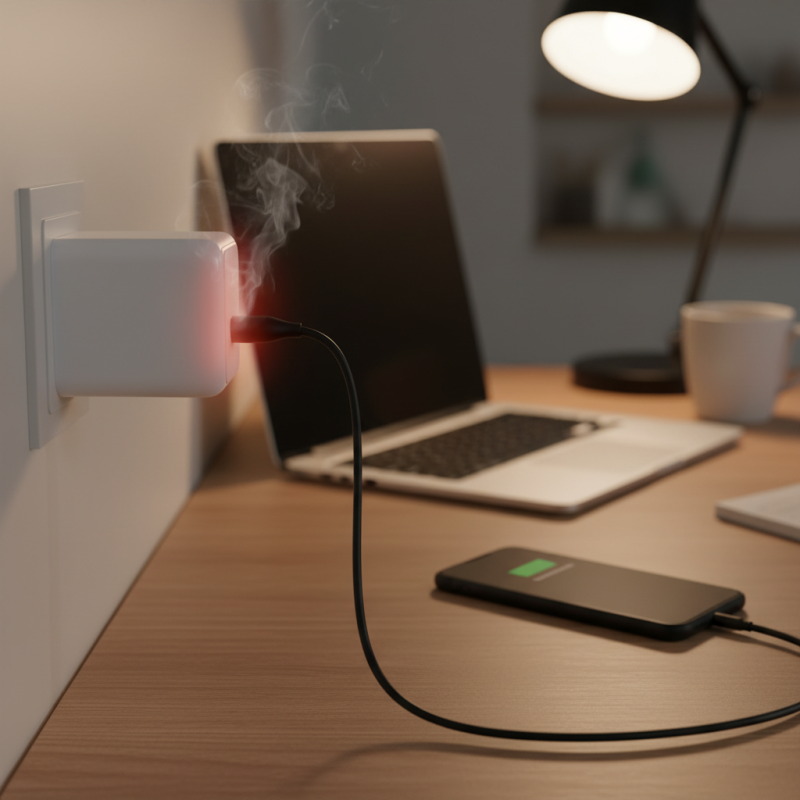
Heat generation in battery chargers is a common concern. When charging, the energy flow from the charger to the battery creates heat. This is due to the internal resistance within both the charger and the battery. As electrons move through these components, they face obstacles that lead to energy loss in the form of heat.
Charger heat can also stem from poor ventilation. If a charger is placed in a tight space, the heat struggles to dissipate. Users might notice that chargers in confined areas feel hotter than those in open spaces. Additionally, a charger working harder than necessary, like charging a depleted battery, can overheat. This isn’t always a sign of failure, but prolonged high temperatures can affect charger life.
While some heat is normal, excessive warmth can be a red flag. It might indicate an underlying issue, such as a faulty charger or battery. Regular checks are essential in identifying problems early. Users should remember to monitor heat levels. Staying informed helps in maintaining both safety and functionality.
The chart above illustrates the temperature of a battery charger over the duration of charging, showing how the heat generation increases as charging time progresses. This increase in temperature can be attributed to various factors including efficiency loss and electrical resistance during the charging process.
Battery chargers can become warm during use. However, excessive heat can indicate underlying issues. Understanding the common causes of this heating can help prevent potential damage.
One primary reason a battery charger may overheat is insufficient ventilation. The charger needs proper airflow to dissipate heat. According to a report by the International Electrotechnical Commission, poor airflow can lead to a temperature rise of up to 30%. This can degrade the charger's efficiency and lifespan. Overloading the charger with multiple devices can exacerbate this problem.
Another factor is suboptimal charging conditions. Charging in high ambient temperatures can increase the thermal load. In a survey conducted by Battery University, it was noted that high temperatures could accelerate the chemical reactions within the battery, leading to more heat generation. Furthermore, using a damaged or counterfeit charger can significantly worsen heating issues.
Tips: Always use chargers that meet safety standards. Regularly inspect your charger for signs of wear. Avoid charging in enclosed spaces or near heat sources to ensure efficient operation. If a charger becomes too hot to touch, it’s advisable to disconnect it immediately and check for faults.
Battery chargers can generate heat during operation. While some warmth is normal, excessive heat can pose safety risks. Overheating chargers may lead to battery damage or even fires. This raises concerns about using defective chargers or placing them in poor ventilation areas.
Consider these tips to ensure safe charging. Always inspect your charger for any signs of wear. Look for frayed wires or discoloration. If you notice these, stop using the charger immediately. Avoid charging devices on soft surfaces. Fabrics can trap heat, increasing the risk of overheating. Instead, use a hard, flat surface for charging.
Monitoring the charging process is crucial. If your charger becomes uncomfortably hot, disconnect it and let it cool down. It’s essential to charge in a well-ventilated area. This simple practice can help prevent accidents. Always prioritize safety over convenience when it comes to electrical devices.
Overheating battery chargers can be a common issue. This often results from poor ventilation or excessive use. To prevent your charger from getting too hot, allow it space to dissipate heat. Avoid covering the charger with items like clothes or blankets. Make sure it's placed on a hard, flat surface.
Regularly inspect your charger for dust and debris. These can obstruct airflow. Clean it gently with a dry cloth. If your charger feels hot despite proper care, consider taking breaks during charging. Short sessions can reduce heat buildup. Additionally, avoid charging devices in warm environments. Excessive heat can damage both the charger and the battery.
Using chargers that match your device's specifications is vital. Non-compatible chargers can lead to overheating. Always prioritize using quality equipment. Remember that sometimes you might overlook signs of heat. Being mindful of these factors can save you from potential issues in the future.
When you notice your battery charger getting hot, it’s crucial to assess the situation. A charger may feel warm during regular use, but excessive heat can signal potential issues. Pay attention to the charger’s performance and the device it powers. If charging stops unexpectedly or if you smell burning, it’s time to take action.
Seeking professional help becomes necessary when the heat issue persists. A qualified technician can examine both the charger and the device. They can identify if the components are failing or if there’s a short circuit. Don’t ignore the signs. A hot charger is a cry for help, and prompt intervention can prevent further damage.
It’s okay to feel uncertain about the problem. You might wonder if it’s safe to keep using the charger. Avoid the temptation to disregard unusual signs. Identify when to step back and consult an expert. Your safety should always come first.
| Issue | Possible Causes | Recommended Actions | When to Seek Professional Help |
|---|---|---|---|
| Overheating | Insufficient ventilation | Ensure charger is in a well-ventilated area | If overheating persists even after adjustments |
| Excessive Heat | Faulty components | Inspect for damaged parts, replace if necessary | If you notice burning smells or smoke |
| Inconsistent Performance | Loose connections | Check and secure all connections | If the issue occurs frequently despite fixes |
| Rapid Battery Drain | Incompatible charger | Use a charger specified for your device | If switching chargers does not resolve the issue |
| Physical Damage | Cracks or frayed wires | Replace damaged charger immediately | If there is significant damage to the charger |
: Some warmth is normal. However, excessive heat may indicate ventilation or overload issues.
Insufficient airflow can raise temperatures by 30%. This can degrade efficiency and lifespan.
Yes, high ambient temperatures increase thermal load, causing more heat generation during charging.
A damaged charger can worsen heating issues, which may lead to battery damage or fires.
Disconnect the charger immediately and allow it to cool down. Check for faults afterward.
Inspect for wear, avoid soft surfaces, and charge in well-ventilated areas to prevent overheating.
Yes, monitoring can help you detect any issues early and prevent potential accidents.
Always charge on hard, flat surfaces. Soft surfaces can trap heat and increase risks.
Regularly inspect for frayed wires or discoloration. Stop using it if you find any damage.
Absolutely. Always prioritize safety over convenience with electrical devices to avoid accidents.
If you've ever asked yourself, "Why is my battery charger getting hot while charging?", you're not alone. Heat generation in battery chargers can be attributed to several factors, including electrical resistance, poor ventilation, and prolonged usage. Understanding the common causes of heating is crucial, as overheating can lead to safety risks such as fire hazards or damaging the charger and the battery it serves.
To prevent your charger from overheating, it's essential to ensure proper airflow, avoid using it in high-temperature environments, and refrain from overcharging. Regularly inspecting your charger for signs of wear or damage can also help maintain its efficiency. If you notice persistent heating issues, it may be time to seek professional help to safeguard both your device and your safety.

NexBolt Charger