How to Calculate Battery Charging Time Manually Effectively?

Time:2026-08-08 Author:Sienna
0%

Understanding how to calculate battery charging time manually is essential for anyone using rechargeable batteries. Whether it's for electronic devices or electric vehicles, knowing the charging time can improve efficiency. Many factors affect how long it takes to charge a battery. These include the battery's capacity, the charger’s output, and the battery's state of health.

To accurately calculate charging time, one must grasp the relationship between voltage, current, and capacity. For instance, using a simple formula can provide a basic estimate. However, this method requires careful attention to detail. Overlooking even one aspect can lead to errors in estimation. It’s worth considering different scenarios, as charging can vary under different conditions.

Many enthusiasts and professionals make common mistakes while making calculations. They may assume that all chargers are created equal, which is not true. Additionally, real-world conditions often deviate from theoretical calculations. A reflective approach encourages continuous learning. Ask yourself if you really understand the numbers behind your battery and charger specifications. Ultimately, mastering how to calculate battery charging time manually enhances both knowledge and practical skills.
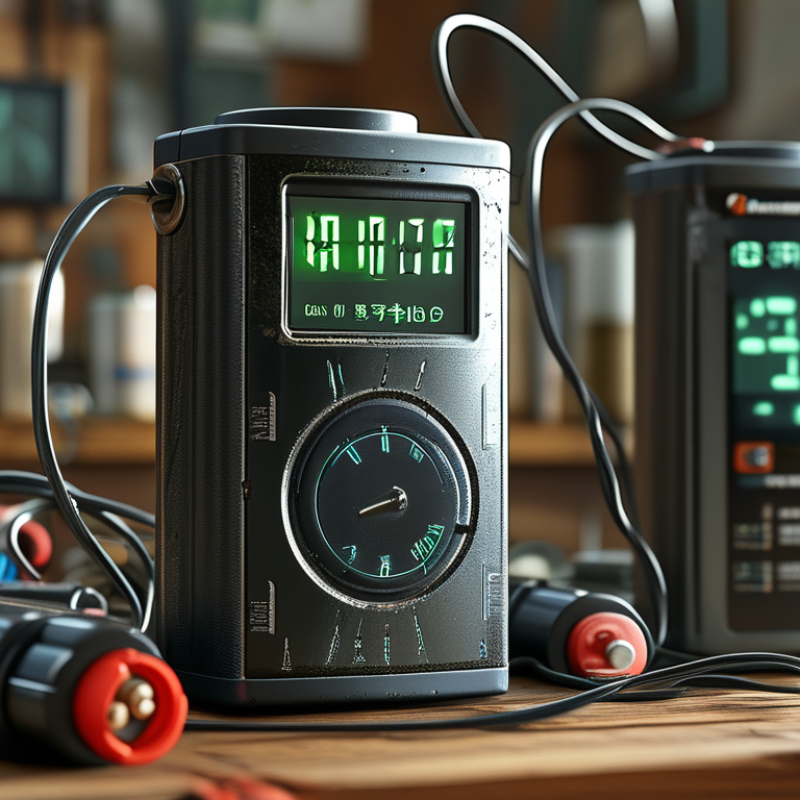
How to Calculate Battery Charging Time Manually Effectively?

Understanding Battery Specifications and Ratings

Battery specifications and ratings are essential for computing charging time accurately. The capacity of a battery, measured in ampere-hours (Ah), indicates how much charge it can store. A higher Ah value means longer usage before recharging is necessary. For example, a battery rated at 2Ah can supply 2 amps for one hour. Understanding these ratings helps determine the appropriate charger and its output current.

Charging time also hinges on the charger’s output rating. Most standard chargers provide around 1A to 2A. If a battery’s capacity is 2Ah and you use a 1A charger, charging may take about two hours. However, this is an ideal scenario. Real-world conditions, like temperature and battery health, impact efficiency. Often, charging slows after reaching 80% full. Reports indicate that charging at low temperatures can reduce battery capacity by up to 20%.

Estimating charging time is rarely perfect. Some users may misinterpret ratings, leading to undercharging or overcharging. This may affect battery lifespan and performance. Regular checks on the battery's state and following manufacturer guidelines are crucial. Remember, personal experience and observation are great teachers in battery management.

Key Factors Affecting Charging Time

When calculating battery charging time, several key factors come into play. The battery's capacity, usually measured in amp-hours (Ah), is fundamental. A larger capacity often means longer charging times. For example, a 100Ah battery will take significantly longer to charge than a 50Ah battery, assuming the same charging current.

Charging current greatly affects the time as well. A higher current translates to faster charging. However, this involves risks. Charging too quickly can lead to overheating or damage. It's essential to find a balance. Also, the battery type influences charging time. For instance, lithium-ion batteries typically charge faster than lead-acid batteries.

Ambient temperature must not be overlooked. Extreme temperatures can hinder charging efficiency. Cold conditions can reduce capacity, while excessive heat can shorten battery life. Inadequate reflection on these factors can lead to poor charging strategies. Ultimately, understanding these elements will make calculations more effective.

Calculating Charging Time Using the Battery Capacity Formula

Calculating charging time is crucial for battery management. To determine how long it takes to charge a battery, you can use a simple formula. The formula is: Charging Time (hours) = Battery Capacity (Ah) / Charging Current (A). This equation allows you to estimate the time needed based on the battery's capacity and the current provided by the charger.

For example, if you have a battery rated at 100Ah and your charger outputs 10A, the calculation would be 100Ah / 10A = 10 hours. It’s important to note that this is a simplified calculation. Real-world factors, like temperature and battery age, can affect charging efficiency. Batteries may not charge at the same rate throughout the process.

Sometimes, you may encounter unexpected results. Factors like charger quality and battery condition can lead to longer charging times. Always monitor the charging process. Understanding your battery’s specific characteristics is key. Balancing these elements leads to more accurate estimates. Consider using different chargers for better performance. Experimenting can provide deeper insights into your charging routines and needs.

Step-by-Step Manual Calculation Process

Calculating battery charging time manually requires careful consideration of several factors. Begin by understanding the battery's capacity, usually measured in amp-hours (Ah). Knowing the capacity allows you to determine how long it will take to charge the battery fully. Next, identify the charger’s output current, measured in amperes (A). With these two figures in hand, you can use a simple formula: Charging Time (hours) = Battery Capacity (Ah) / Charger Current (A).

For instance, if you have a 50Ah battery and a charger that delivers 10A, the charging time would be 5 hours. This calculation assumes ideal conditions. In reality, other elements can impact charging time, such as battery temperature and charger efficiency. Be prepared for variations in actual charging times.

Tips: Always check the manufacturer’s specifications for your battery and charger. This ensures compatibility and safe operation. Consider the environment where the battery charges. Extreme temperatures can slow down or accelerate the process.

Remember to monitor the battery during charging. Overcharging can lead to reduced battery life. It's essential to reflect on whether your chosen charging method meets your long-term needs. Taking these details into account will enhance your charging experience.

Tips for Optimizing Battery Charging Efficiency

Optimizing battery charging efficiency is crucial for prolonging battery life and enhancing device performance. Charging methods can greatly impact how quickly and effectively a battery reaches full capacity. Here are some practical tips to improve your charging experience.

Keep your battery cool during charging. Heat can significantly degrade battery health over time. If possible, remove phone cases that might trap heat. If the device feels warm, take a break during charging. This small change may enhance long-term performance.

Use a reliable charger with the right voltage and amperage. An incorrect charger can lead to slower charging or even damage. Avoid using cheap, generic chargers that lack proper safety certifications. High-quality chargers may be more expensive but can prevent future battery issues.

Try to charge your battery before it completely drains. Lithium-ion batteries tend to perform better when kept between 20% and 80% charge. Frequent full discharges can strain the battery. Monitoring battery levels might feel tedious, but it can lead to better charging habits and improved battery longevity overall.

FAQS

: What does battery capacity indicate?

: Battery capacity, measured in ampere-hours (Ah), shows how much charge a battery can store. Higher Ah means longer usage.

How does charging current affect charging time?

A higher charging current leads to quicker charging. However, it carries risks, such as overheating or damaging the battery.

Why does charging slow down at 80%?

Charging often slows past 80% due to safety measures or battery chemistry. It may seem inefficient but is common.

What factors can influence charging time?

Factors include battery capacity, charging current, battery type, and ambient temperature. Each affects the time it takes to charge.

How do extreme temperatures impact charging?

Cold can reduce battery capacity, while heat can shorten battery life. Both conditions hinder efficient charging.

What is the formula for estimating charging time?

The formula is Charging Time (hours) = Battery Capacity (Ah) / Charging Current (A). Use this to estimate your charging needs.

Can charger quality affect charging time?

Yes, charger quality can lead to longer charging times. Always consider the impact of charger performance on efficiency.

How can I improve my charging routine?

Regularly monitor your battery’s state, experiment with different chargers, and reflect on personal experiences for better management.

What happens with undercharging or overcharging?

Misinterpreting ratings can lead to these issues, which may affect battery lifespan and performance. Regular checks are essential.

Why is understanding battery characteristics important?

Recognizing your battery's specific features helps create effective charging strategies and improves overall battery management for longevity.

Conclusion

In the article "How to Calculate Battery Charging Time Manually Effectively?", readers are guided through the essential aspects of determining the time required to charge a battery. The discussion begins with an understanding of battery specifications and ratings, which are crucial for accurate calculations. It highlights key factors affecting charging time, such as battery capacity and charger output.

The heart of the article is the explanation of how to calculate battery charging time manually. It introduces the battery capacity formula and provides a step-by-step manual calculation process that enables users to estimate charging duration effectively. Additionally, practical tips for optimizing battery charging efficiency are provided, ensuring that readers can maximize performance while understanding the technical details of their batteries. Overall, this resource serves as a comprehensive guide for anyone interested in mastering how to calculate battery charging time manually.

Sienna

Sienna

Sienna is a skilled marketing professional with a deep expertise in our company’s core products and services. With a passion for innovation and detail, she plays a pivotal role in crafting insightful blog posts that not only highlight the unique features of our offerings but also provide valuable......