How to Charge EV Batteries in 2026 at the Best Temperature

Time:2026-11-09 Author:Henry
0%

Charging an electric vehicle is not just a matter of plugging in. Battery temperature can affect charging speed, efficiency, and long-term battery health. A cold battery may accept power slowly, while excessive heat can increase stress on its cells. The best approach depends on the vehicle, its battery chemistry, and the charger. Your owner’s manual remains the most reliable guide.

What is the best temperature for charging EV batteries? For many models, a moderately warm battery—often around 20–30°C (68–86°F)—supports efficient charging, but this is a general reference, not a universal rule. Air temperature and battery temperature are not the same. A car parked outside at 5°C may need time to warm its battery before fast charging. Many EVs can precondition the battery when a fast charger is set as the navigation destination. Small details matter. A short winter drive may not warm the pack enough.

This guide explains how temperature affects charging in 2026, when battery preconditioning helps, and what drivers can do during heat waves or cold snaps. You will also learn why frequent high-power charging in extreme conditions may deserve attention, without treating every fast charge as harmful. Real-world habits are rarely perfect; sometimes you need to charge when the weather is inconvenient. The useful goal is not to chase one magic number, but to follow your vehicle’s guidance and make practical choices.
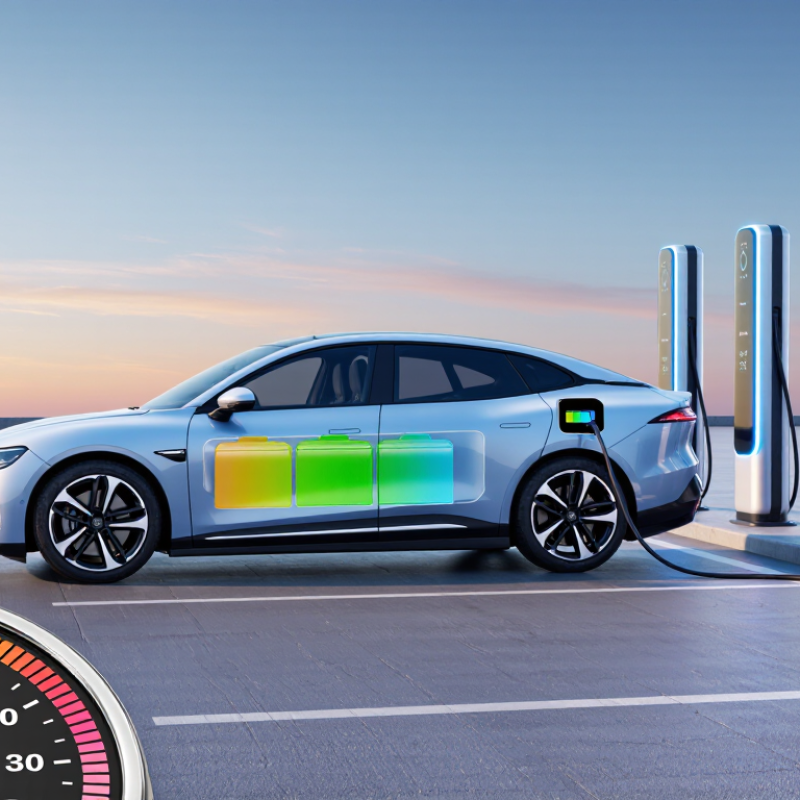
How to Charge EV Batteries in 2026 at the Best Temperature

Check Battery Temperature First: Typical Li-Ion Charging Range Is 0–45°C

Before connecting a charger, check the battery temperature shown in the vehicle’s display or charging app. The typical lithium-ion charging range is 0–45°C, but the exact limits vary by battery design. Check the vehicle manual when available. Ambient air temperature is only a clue; the battery pack may remain colder or hotter than the weather suggests.

Check the pack first. Below 0°C, charging can increase the risk of internal damage, so the vehicle may reduce charging power or warm the battery automatically. Above 45°C, charging can add heat and accelerate wear. If the pack is outside its recommended range, let the vehicle’s built-in temperature management system adjust it, or wait for conditions to improve. Never try to heat or cool the battery with improvised equipment. That advice can be inconvenient when you are in a hurry. Still, a few minutes spent checking the displayed temperature can prevent avoidable stress on the pack. Temperature readings and charging limits are not always obvious, and that part deserves better design.

Precondition the Pack Toward 20–25°C Before DC Fast Charging

How to Charge EV Batteries in 2026 at the Best Temperature

Before a DC fast charge, aim to bring the battery pack toward 20–25°C. This is a practical target, not a universal rule; the vehicle’s battery management system sets safe limits. A cold pack may accept power slowly. Charging cold lithium-ion cells can also encourage lithium plating, a degradation risk discussed in Argonne National Laboratory battery research. That matters. Let the car manage the pack rather than trying to warm it with improvised methods.

The U.S. Department of Energy’s Alternative Fuels Data Center explains that battery thermal-management systems help control pack temperature. AAA’s 2019 cold-weather testing found that at 20°F, driving range fell by about 12% without cabin heating and 41% with it. Those figures measure range, not charging speed, but they show how strongly cold conditions affect EV use. I still find the 20–25°C target easy to overstate: pack design, starting temperature, and charger conditions all matter.

Tips: Set the fast charger as your navigation destination so the vehicle can precondition the battery, if that feature is available. Start early enough for the car to respond to the cold. Check the dashboard for a charging-temperature message, and follow the owner’s manual. If the pack remains cold, expect lower initial power; don’t assume the charger is faulty.

Below 0°C, Warm the Battery to Reduce Lithium-Plating Risk

When the thermometer falls below 0°C, avoid fast-charging a cold battery if you can. Lithium ions move more slowly in the cold, and charging can encourage metallic lithium to deposit on the anode. This lithium plating can reduce capacity and, in severe cases, increase safety risks. The exact threshold depends on battery design and its controls; zero is a useful warning point, not a universal cutoff.

Warm the pack before plugging in. Use the vehicle’s battery preconditioning setting, or drive gently toward the charger so the battery can gain heat gradually. Follow the vehicle’s charging guidance, and don’t try to warm the battery with improvised heaters. A warm cabin does not necessarily mean a warm battery. That distinction matters.

Cold also affects driving range. In AAA’s 2019 test of five electric vehicles, range fell by an average of 12% at 20°F (about −7°C) with climate control off; using cabin heat increased the average loss to 41%. These figures describe tested vehicles, not every model. Still, they show why winter charging and trip planning deserve attention. If preconditioning is unavailable, slower charging and a little patience are sensible choices. The U.S. Department of Energy also cautions that cold temperatures can reduce battery performance. Sources: AAA, “Electric Vehicle Range Testing” (2019); U.S. Department of Energy, Alternative Fuels Data Center.

How to Charge EV Batteries in 2026 at the Best Temperature — Below 0°C, Warm the Battery to Reduce Lithium-Plating Risk

Practical temperature guidance for common lithium-ion EV batteries. These are approximate battery-pack temperature ranges, not universal limits: the vehicle’s battery-management system and owner’s manual take priority.

Battery Pack Temperature Typical Charging Behavior Recommended Action Lithium-Plating Consideration
Below −10°C (14°F) Charging may be blocked or strongly limited until the pack warms. Available power depends on the vehicle and battery design. Use the vehicle’s battery-preconditioning function, if available. Follow the dashboard or app guidance before connecting to a fast charger. Very cold charging conditions can increase plating risk, especially with high charging current.
−10°C to below 0°C
(14°F to below 32°F)
Charging may be unavailable or restricted; cold packs generally accept charge more slowly. Warm the battery before charging when possible. Avoid attempting to override any vehicle-imposed charging limit. Do not assume that a low-power charge is safe for every battery below 0°C; pack-specific controls matter.
0°C to 10°C
(32°F to 50°F)
Charging is often possible, but the vehicle may reduce AC or DC charging power while the pack is cold. Allow extra charging time. For a rapid charge, precondition the pack if the vehicle recommends it. Risk generally decreases as the pack warms, but high charging rates can still be limited in this range.
10°C to 25°C
(50°F to 77°F)
Often a favorable range for routine charging and efficient charge acceptance, subject to vehicle limits. Charge normally and use the vehicle’s recommended settings. There is no single ideal temperature for every EV. Moderate pack temperatures reduce cold-related plating concerns compared with sub-zero charging.
25°C to 35°C
(77°F to 95°F)
Charging is commonly supported; thermal management may cool the pack during sustained high-power charging. Follow the vehicle’s charge limits, particularly during repeated rapid-charging sessions or hot weather. Cold-related plating risk is not the main concern; managing heat becomes more important.
35°C to 45°C
(95°F to 113°F)
Charging power may be reduced as the battery-management system manages temperature. Let the vehicle control cooling. Avoid unnecessary high-power charging if the pack is already hot. Charging limits in this range are intended to help manage heat and protect battery life.
Above 45°C (113°F) Charging may be substantially limited or paused; exact thresholds vary by vehicle and battery chemistry. Allow the pack to cool and follow any vehicle warning. Do not bypass thermal protections. High temperature presents heat-related battery stress; it is not a suitable target for charging.

At 35–45°C, Cool the Pack Before Charging to Limit Cell Aging

At 35–45°C, pause before plugging in. That reading should describe the battery pack, not the air outside. Heat raises cell stress, and charging adds more heat. If the vehicle manages its own cooling, let that system work; avoid repeated fast-charge sessions while the pack remains hot. There is no single safe cutoff for every vehicle, because pack design and temperature controls differ.

Geotab’s 2024 EV Battery Health report analyzed more than 10,000 vehicles. It estimated average battery capacity loss at 1.8% per year, while frequent charging above 100 kW was associated with degradation near 3% annually. Those fleet results show an association, not proof that temperature alone caused the difference. Still, they support a cautious approach when a pack is already warm. Park in shade, wait for the temperature to fall, and use slower charging when time allows. If the vehicle displays pack temperature, use its guidance rather than guessing from a hot cabin. A few degrees matter. I would not treat 35°C as a magic boundary; the exact charging limit depends on the vehicle’s thermal controls.

Follow the Vehicle Manual: Battery Temperature Limits Vary by Model

How to Charge EV Batteries in 2026 at the Best Temperature
Follow the Vehicle Manual: Battery Temperature Limits Vary by Model

There is no single ideal charging temperature for every electric vehicle. Battery chemistry, cooling systems, and software differ, so one model’s guidance may not suit another. Check the owner’s manual or in-car charging instructions for the recommended temperature range and any limits. The car’s dashboard may also show when the battery is too cold or hot for faster charging.

Temperature affects charging speed and battery care. In cold weather, a vehicle may warm its battery before charging, which can take extra time and energy. On a hot day, parking in shade and letting the battery cool before charging may help. Avoid treating a charger’s reduced speed as a fault; the vehicle may be protecting its battery. It’s easy to overlook that detail.

Tips: Read the manual before a long trip. Use scheduled preconditioning if your vehicle offers it. Check the battery temperature guidance, not just the outdoor forecast. If the manual is unclear, ask a qualified service professional rather than relying on a universal temperature chart. Safety margins vary, and guessing is not a great plan.

FAQS

What battery temperature is a practical target before DC fast charging?

Aim for a pack temperature near 20–25°C. It is a guide, not a universal rule.

How can I warm a cold battery before charging?

Set the fast charger as your navigation destination if your vehicle supports preconditioning. Let the vehicle manage the battery; avoid improvised heating.

What might happen if I fast-charge a cold battery?

The pack may accept power slowly. Cold charging can also increase the risk of lithium plating.

Does cold weather affect driving range?

Yes. Cold conditions can reduce range, especially when cabin heating is used. Range loss is not the same as slower charging.

Should I charge when the battery pack is between 35°C and 45°C?

Consider waiting for the pack to cool, especially before another fast-charge session. There is no single cutoff for every vehicle.

Does a hot day mean the battery pack is too hot to charge?

Not necessarily. The pack temperature matters more than the air temperature, so check the vehicle’s display when available.

What can I do while a hot battery cools?

Park in shade, wait, and use slower charging if time allows. A few degrees may matter, but the exact limit varies.

Does frequent high-power charging prove that heat caused battery wear?

No. One fleet report found an association with greater capacity loss, but that does not prove temperature alone caused it. I’d avoid treating one figure as a promise.

Conclusion

What is the best temperature for charging EV batteries? For many lithium-ion batteries, a typical charging range is 0–45°C, but the ideal temperature for efficient charging and battery care is often around 20–25°C. Before using a DC fast charger, check the battery temperature and, when possible, precondition the pack toward this moderate range. Charging when the battery is too cold or too hot can affect charging performance and long-term cell health.

Below 0°C, warm the battery before charging to help reduce the risk of lithium plating. If the pack is between 35°C and 45°C, allow it to cool before charging to limit additional cell aging. These ranges are general guidance, not universal limits: temperature controls and charging recommendations vary between vehicles. Always follow the vehicle’s manual and on-screen guidance for the safest, most suitable charging conditions.

Henry

Henry

Henry is a dedicated marketing professional with a profound expertise in the company's offerings. With years of experience in the industry, he possesses an impressive understanding of the market dynamics and consumer behaviors that drive success. Henry is committed to sharing his insights through......