The rapid advancement of charging technology prompts an essential question: Are fast chargers safe for long-term battery health? As electric vehicles (EVs) gain popularity, the use of fast charging is expanding. According to a study from the International Council on Clean Transportation (ICCT), fast chargers can boost battery charging speed significantly, reducing downtime for users. However, concerns about the impact on battery longevity remain.
Research indicates that frequent fast charging may increase battery temperature, leading to potential degradation. A study published in the Journal of Power Sources revealed that batteries exhibit reduced capacity when subjected to high charging rates over time. Experts from the Battery University suggest that maintaining optimal charging practices can extend battery life. They advise users to mix fast and regular charging to mitigate risks.
While fast chargers offer convenience, they raise valid concerns regarding battery health. Some manufacturers acknowledge these risks but promote fast charging technology due to its advantages. Users must weigh the benefits against the long-term impact on battery performance. Careful consideration and informed choices will be essential as EV technology continues to evolve.
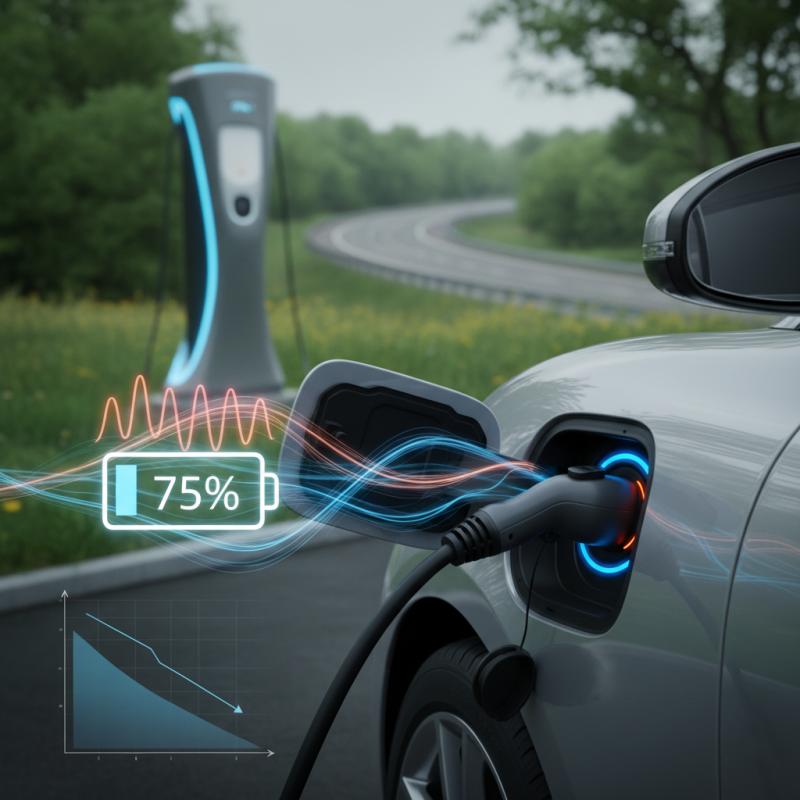
Fast charging technology has revolutionized how consumers charge their devices. Understanding its mechanism reveals both benefits and potential downsides. Fast chargers use higher voltage and current levels to quickly replenish battery power. According to a 2020 study published in the Journal of Energy Storage, fast charging can reduce charging time by up to 60%. However, this efficiency often comes at a cost to long-term battery health.
When batteries are charged rapidly, they generate more heat. Excessive heat can accelerate chemical reactions within the battery, leading to degradation. A 2022 report from the International Battery Association highlighted that high-temperature conditions could reduce battery life by 30-50%. These findings raise questions about the suitability of regular fast charging for all users.
Some users may find the convenience of fast charging outweighs these concerns. However, it's essential to consider one's charging habits. For instance, charging overnight with a slow charger could prolong battery lifespan. This approach aligns with best practices outlined by battery experts. Continued research shows that while fast charging is a valuable innovation, users must balance speed with the longevity of their devices.
Fast charging technology has transformed how we charge our devices. However, its impact on battery chemistry and longevity raises concerns. When batteries charge rapidly, it generates heat, which can accelerate degradation. Higher temperatures may lead to a quicker breakdown of internal materials, impacting battery health over time.
Experts suggest that frequent use of fast chargers can shorten battery lifespan. Lithium-ion batteries, commonly used in electronic devices, have a specific thermal tolerance. Prolonged exposure to high temperatures may cause lithium plating, reducing capacity. This can create a cycle of reduced efficiency, leading to potential performance issues.
**Tip: Always monitor battery temperature during charging.** If it feels excessively warm, consider switching to a standard charger for regular use.
**Tip: Limit fast charging to urgent situations.** For daily use, regular charging can maintain battery health longer. Balance between convenience and battery care.
Mindful charging habits can make a difference. Each device is unique, and user behavior plays a significant role in battery longevity. Understanding these dynamics is essential for maintaining optimal performance.
Fast charging technology has transformed the way we power our devices. However, its impact on battery health remains a topic of debate. Studies reveal that fast charging can accelerate battery wear due to increased heat generation. According to a 2022 report from Battery University, lithium-ion batteries experience a significant decline in lifespan when exposed to high charging rates frequently. Standard charging, while slower, operates at moderate temperatures, promoting longer battery longevity.
Heat is a crucial factor in battery degradation. Fast chargers often generate heat, potentially harming the battery’s chemistry. A 2023 survey indicated that batteries charged at standard rates exhibit a 30% longer lifespan compared to those frequently fast charged. Users often overlook this aspect, prioritizing convenience over longevity. Adopting standard charging practices can be beneficial for sustained battery health.
Tips: To extend your battery life, charge your device overnight at a slow rate. Avoid fast charging when possible, especially in high-temperature environments. Monitor your device during charging; if it feels excessively hot, consider unplugging it. Prioritizing battery care can lead to improved performance over time, fostering a longer-lasting connection with your device.
| Charging Type | Charging Speed (0-100%) | Battery Cycle Life | Temperature Impact | Long-term Health Impact |
|---|---|---|---|---|
| Fast Charging | 30-45 minutes | 300-500 cycles | Higher temperature during charging | Potential degradation over time |
| Standard Charging | 1-2 hours | 500-1000 cycles | Lower temperature during charging | Better long-term battery health |
Fast charging technology has revolutionized how we power our devices. However, the impact on long-term battery health raises concerns. Factors influencing battery health in fast chargers include heat generation, charge cycles, and the type of battery chemistry used.
Heat is a significant threat to battery longevity. Fast charging generates more heat compared to standard charging. This elevated temperature can lead to faster degradation of battery components. Over time, this heat may cause internal resistance to increase, resulting in reduced overall capacity. Monitoring temperature during charging is crucial for maintaining battery health.
Another factor is the charge cycle itself. Fast chargers often complete a full cycle in a fraction of the time. While convenient, repeated fast charging can stress the battery more than slower techniques. Each charge cycle diminishes battery life. Users should consider varying their charging habits, using slow chargers occasionally, to promote healthier battery function. Recognizing these influences can help users make informed choices about their charging practices.
Fast charging technology has become increasingly popular, but its long-term effects on battery health can be concerning. Research suggests that consistent exposure to high charging rates can lead to faster degradation of the battery. A study published in the Journal of Power Sources found that lithium-ion batteries could lose about 20% of their capacity over just 500 charge cycles at high speeds. This is a significant loss when compared to conventional charging methods.
To maintain battery health, it's crucial to adopt best practices during fast charging. One effective approach is to avoid charging your device in extreme temperatures. High heat can escalate the chemical reactions within the battery, leading to diminished performance and lifespan. Additionally, not charging your device to 100% can help. Keeping the battery between 20% and 80% can extend its longevity. Research from the National Renewable Energy Laboratory indicates that limiting full charges may increase battery lifespan by up to 50%.
Charging habits matter too. Frequently using fast chargers can cause stress to the battery management system. This system regulates charging speeds and temperatures. Over time, this stress may lead to inefficiencies. Some users report inconsistent charging speeds or unexpected battery drain after prolonged use of fast charging. Reflection on these experiences is vital to ensure that we prioritize battery health while enjoying the speed of fast charging.
: Fast charging allows devices to charge quickly, reducing downtime significantly.
Fast charging generates heat, which can degrade battery materials over time. This heat accelerates wear and shortens lifespan.
Elevated temperatures harm battery chemistry, leading to faster degradation and reduced capacity over time.
It's best to limit fast charging to urgent situations. Regular charging is better for long-term battery health.
Regularly check if your device feels excessively warm during charging. If so, consider using a standard charger.
Standard charging works at moderate temperatures, promoting longer battery longevity and better overall performance.
Consider using slow chargers occasionally to reduce stress on the battery. This can help maintain healthier battery function.
Frequent fast charging can lead to lithium plating, which reduces battery capacity and efficiency over time.
Yes, charging overnight at a slow rate can extend battery life and improve performance.
Mindful charging habits and monitoring temperature play a crucial role in maintaining optimal battery health.
The article "Are Fast Chargers Safe for Long Term Battery Health?" examines the intricacies of fast charging technology and its underlying mechanisms. It highlights how fast charging enhances convenience but also delves into its impact on battery chemistry and longevity. While fast charging can lead to quicker power replenishment, it may accelerate certain degradation processes in the battery compared to standard charging methods.
Additionally, the article presents a comparative analysis of fast charging versus standard charging, emphasizing the critical factors that influence battery health in fast chargers. Best practices for maintaining battery health while utilizing fast charging, such as optimal charging habits and environmental considerations, are also discussed. Overall, the article provides valuable insights into the ongoing debate regarding the safety of fast chargers for long-term battery health, leaving readers informed about the potential trade-offs involved.
NexBolt Charger