How to Install an On-Board Charger for Your Electric Boat?

Time:2026-05-16 Author:Mason
0%

Installing an on-board charger for your electric boat can seem daunting. However, it is a necessary step for maintaining your vessel's efficiency. Knowing how to install an on-board charger for an electric boat allows you to keep your battery charged and extend your time on the water.

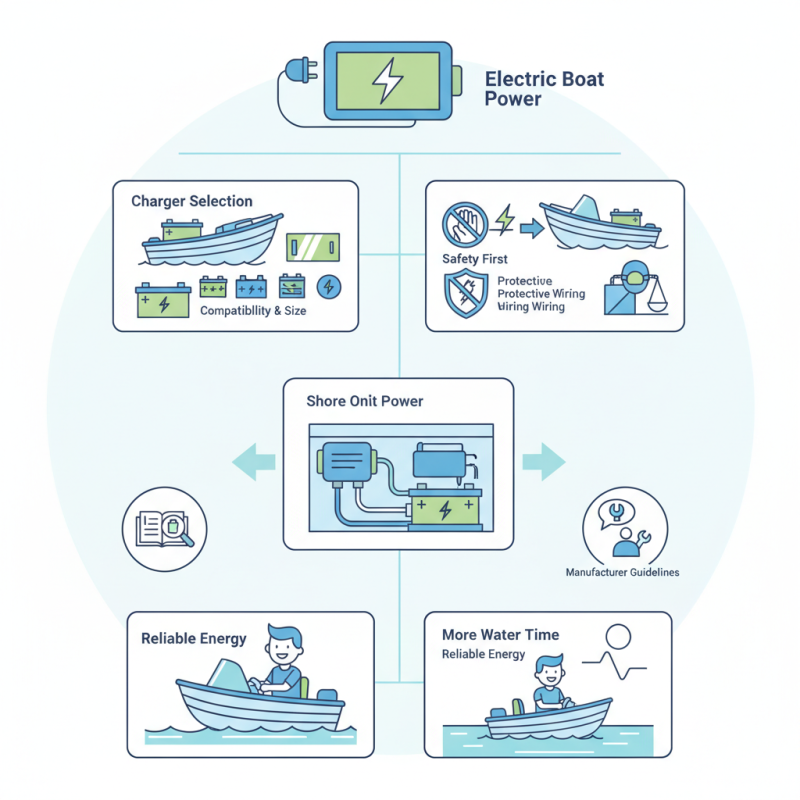
When exploring this process, understanding the basics of electrical systems is crucial. Choose a charger that matches your boat's battery types and sizes. It’s important to consider safety measures to avoid electrical hazards. Every boat has unique requirements, and a one-size-fits-all approach won’t work. Sometimes mistakes can happen, leading to frustrating outcomes.

Reflecting on past experiences can help in avoiding potential pitfalls. Read manufacturer guidelines and seek expert advice if unsure. This approach enhances your confidence and builds your skills. A successful installation means more enjoyable days on the water and a reliable energy source.
How to Install an On-Board Charger for Your Electric Boat?

Understanding On-Board Chargers: Purpose and Benefits for Electric Boats

On-board chargers play a vital role in enhancing the efficiency of electric boats. They convert AC power from shore connections to DC power, necessary for charging batteries. A well-installed on-board charger ensures your boat operates at optimal performance and extends battery life. It's crucial to choose a charger that matches your battery type and capacity. Compatibility is key to avoid potential damage and inefficiencies.

The benefits of these chargers are numerous. They provide convenience for boaters who rely on electric power. Many spend hours on water, and a dependable charging system keeps you on the move. However, installation can be tricky. Some users make mistakes, like improper wiring or selecting incompatible chargers. These errors can lead to safety hazards or damage. Understanding the specifications of your watercraft can help mitigate these risks.

Regular maintenance of the on-board charger is also essential. Check connections and ensure no corrosion. Neglecting these aspects can lead to performance issues. Invariably, this can affect your boating experience. Embracing the details in installation and upkeep can significantly impact your electric boating journey.

How to Install an On-Board Charger for Your Electric Boat? - Understanding On-Board Chargers: Purpose and Benefits for Electric Boats

Feature Description Benefits
Charging Efficiency Converts AC power from shore to DC power for the battery. Reduces charging time and improves battery lifespan.
Battery Management System (BMS) Monitors battery health and charging cycles. Prevents overcharging and increases safety.
Size and Weight Compact and lightweight designs available. Easy installation and minimal impact on boat performance.
Compatibility Works with various battery types and voltages. Versatility for different electric boat models.
Weather Resistance Designed to withstand marine environments. Ensures durability and long-term reliability.
Smart Features Includes digital displays and remote monitoring. Enhances user experience and charging control.

Essential Tools and Materials Needed for Installation of an On-Board Charger

Installing an on-board charger for your electric boat can enhance your boating experience. To start, you need a few essential tools and materials. A drill with various drill bits is crucial for making clean holes in your boat’s surface. A screwdriver set will help secure any components firmly in place. Consider acquiring wire strippers and crimpers; they ensure proper electrical connections.

You will also need a multimeter to test voltage and connections. It’s important to inspect the wires and connectors for wear or damage before installation. Using heat-shrink tubing is a good practice. This adds extra protection to electrical connections and enhances durability. Ensure safety gear, such as gloves and goggles, is on hand.

Gathering materials like marine-grade wire, a suitable on-board charger, and fuses is vital. Marine-grade wire resists corrosion and ensures long-lasting performance. However, be aware that not all chargers fit every boat. Researching specifications is beneficial but can sometimes lead to confusion. Testing your setup after installation can reveal unexpected issues and lead to necessary adjustments.

On-Board Charger Installation Tool and Material Usage

Step-by-Step Guide to Mounting the On-Board Charger in Your Electric Boat

Installing an on-board charger for your electric boat can enhance efficiency and convenience. Start by gathering essential tools and materials. You need a drill, mounting hardware, and electrical cables. Choose a suitable location for the charger. It should be dry and well-ventilated. Avoid areas with direct water exposure.

Carefully mark the mounting holes for the charger. Drill holes and attach it securely. Ensure the charger is level and stable. Double-check all connections to prevent issues later. Wiring can feel tricky; it’s easy to make mistakes. Consider verifying your setup with expert resources.

Once mounted, connect the charger to the battery system. Make sure to keep cables organized. This will help with maintenance later. Remember, not every installation goes perfectly. It’s okay to reassess your work. Mistakes can lead to new insights. Sometimes it takes a few tries to get it right.

Connecting the Electrical Components of Your On-Board Charger Safely

Installing an on-board charger for your electric boat requires careful attention to the electrical components involved. Proper connections are crucial for ensuring safety and efficiency. According to industry reports, improper installation can lead to equipment failure or even fire hazards. Each electrical component must be securely connected, and the wiring should be rated for the charger’s voltage and amperage.

When connecting the charger, ensure that all terminals are clean and free from corrosion. Use appropriate connectors and always match the wire gauge to the charger's specifications. Research indicates that using oversized wires can create unnecessary weight and limit performance. A key aspect often overlooked is the grounding. A poor ground connection can lead to voltage spikes, affecting both the charger and your boat's electrical system.

Moreover, don't shy away from consulting technical manuals or industry expert recommendations. A common mistake is assuming that all chargers are the same, which can lead to compatibility issues. Keep in mind that maintenance of these connections is vital; regular checks are needed to prevent potential failures. Engaging with marine electricians for reliable advice may prevent costly mistakes down the line.

Testing and Maintaining Your On-Board Charger After Installation

Once you’ve installed your on-board charger, it's essential to focus on testing and maintaining it. Regular checks will ensure your charger operates efficiently, preventing potential issues on the water. Start by inspecting charging connections for corrosion. Corrosion can hinder the flow of electricity. Over time, connections can wear out, so replace them when necessary.

Testing your charger is crucial. A simple multimeter can help you check voltage output. Make this part of your maintenance routine. Regular tests can highlight problems before they escalate. Conduct these tests in a safe environment. Always turn off the power before making adjustments.

Tips for optimal maintenance: always keep the charger clean. Dust and debris can affect its performance. Store your boat in a dry place during the off-season to protect the charger. Remember, a well-maintained charger can enhance your boat's overall lifespan. Some users forget smaller details which can cost them later. Stay vigilant.

FAQS

: What tools do I need to install an on-board charger?

: You will need a drill, mounting hardware, and electrical cables.

Where should I mount the charger on my boat?

Choose a dry, well-ventilated location, avoiding areas with direct water exposure.

How can I ensure the charger is securely mounted?

Mark the mounting holes carefully, drill them, and attach the charger level and stable.

What should I check after installing the charger?

Double-check all connections to avoid issues later and prevent mistakes.

How do I test the charger after installation?

Use a multimeter to check voltage output regularly as part of your maintenance routine.

Why is it important to maintain the charger?

Regular maintenance prevents potential issues and ensures efficient operation on the water.

How can corrosion affect my charger's performance?

Corrosion can hinder the flow of electricity, leading to inefficient charging.

What is a common mistake during installation?

It's easy to misplace connections; always verify with expert resources if unsure.

What maintenance tips can prolong the charger's lifespan?

Keep the charger clean and store the boat in a dry place during the off-season.

What should I do if my charger is not functioning properly?

Reassess your installation; it may take a few tries to get everything right.

Conclusion

In the article "How to Install an On-Board Charger for Your Electric Boat," readers are guided through the essential aspects of integrating a charger into their vessel. It begins by explaining the purpose and benefits of on-board chargers, highlighting how they enhance the efficiency and convenience of electric boating. The article then lists the necessary tools and materials needed for a successful installation.

Following this, a detailed step-by-step guide walks users through the process of mounting the charger securely within the boat. Safety is emphasized in the section dedicated to connecting the electrical components, ensuring a reliable setup. Finally, the article covers the importance of testing and maintaining the on-board charger post-installation, providing readers with valuable insights on how to keep their electric boat running smoothly. This comprehensive guide answers the critical question of how to install an on-board charger for an electric boat effectively.

Mason

Mason

Mason is a seasoned marketing professional with a deep expertise in the company's offerings and a passion for driving brand awareness. With a strong background in digital marketing strategies, he has an innate ability to connect with diverse audiences and effectively communicate product benefits.......