10 Best Reasons Why is My Battery Charger Getting Hot?

Time:2026-07-29 Author:Henry
0%

When using a battery charger, many users frequently ask, "Why is my battery charger getting hot while charging?" This concern is quite common and can stem from various factors. Understanding the reasons behind this phenomenon is crucial. It can help ensure your device remains safe and operational.

A charger producing heat is not always a cause for alarm. Often, it indicates normal operation. However, excessive heat can be a red flag. Components inside the charger may struggle, leading to inefficiency. This can happen due to faulty connections, overcharging, or poor ventilation. Each scenario presents unique risks that require attention.

It is essential to assess the charger and the battery it serves. An older battery might absorb energy unevenly, causing the charger to work harder and heat up. Similarly, dirt or dust in the charger may impede airflow, leading to overheating. Understanding these issues helps in maintaining the charger’s performance. Ultimately, recognizing the significance of heat in chargers can prevent potential hazards.
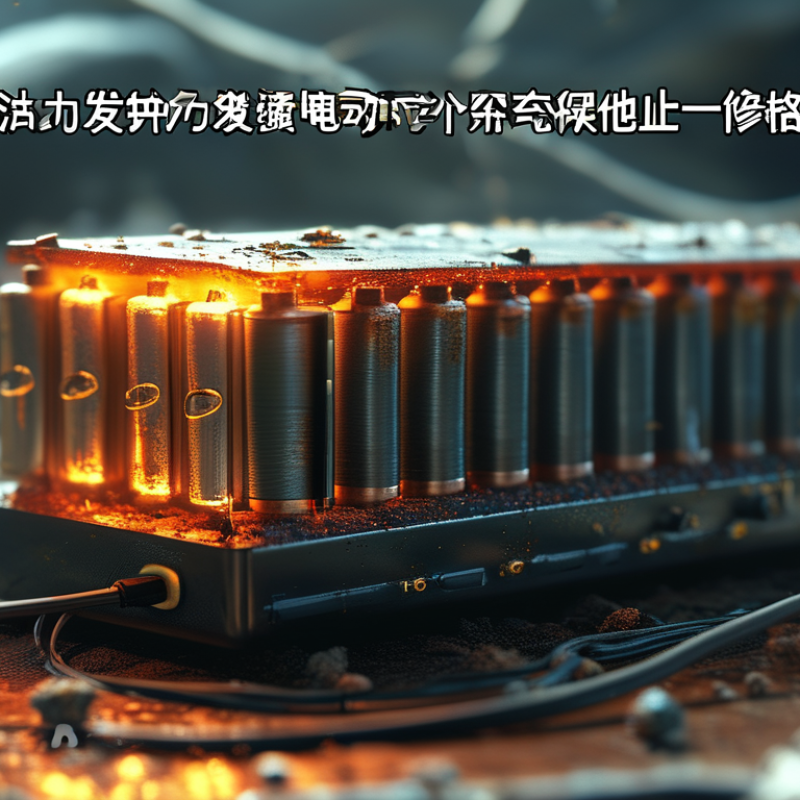
10 Best Reasons Why is My Battery Charger Getting Hot?

Common Causes of Heating in Battery Chargers

Battery chargers can often generate heat during operation, and this is a common concern for users. One frequent cause is a lack of ventilation. If the charger is placed in a confined space, heat cannot dissipate efficiently. An overheated charger can become less effective and shorten its lifespan. Proper airflow is essential for optimal performance.

Another reason for heating is overcharging. When a battery is fully charged, continued charging can lead to excessive heat. Some chargers lack automatic shut-off features. Users may not realize their battery is already charged. This situation not only wastes energy but can also damage the battery over time.

Lastly, faulty components can contribute to overheating. Internal wiring issues or damaged circuits may increase resistance. This creates heat, putting the device at risk. Periodically inspecting chargers for signs of wear can mitigate this risk. Paying attention to these details can enhance both safety and efficiency.

10 Best Reasons Why is My Battery Charger Getting Hot? - Common Causes of Heating in Battery Chargers

Reason Description Impact Level
Poor Ventilation Lack of airflow around the charger can trap heat. High
Overcharging Leaving the battery connected after it is fully charged. Moderate
Defective Charger Internal faults can cause excessive heating. Critical
Wrong Voltage Using a charger with incorrect voltage can lead to heating. High
Incompatible Battery A charger designed for a different battery type. Moderate
Ambient Temperature Charging in high temperatures can increase heat output. Moderate
Poor Quality Battery Substandard batteries can lead to inefficient charging. High
Short Circuits Electrical faults can cause overheating. Critical
Old Age Aging equipment tends to heat up more due to wear and tear. Moderate
Faulty Cables Damaged or low-quality cables can cause resistance and heat. High

Effects of Overcharging on Charger Temperature

Overcharging a battery can significantly raise a charger's temperature. This happens because excess current heats the internal components. A hot charger is a sign that something is wrong. The internal resistance of the battery increases, leading to wasted energy in the form of heat. This not only impacts the charger but can also damage the battery itself.


Regularly checking the charger and battery is essential. If you notice the charger getting unusually hot, it may be overworking. Continuous overheating can lead to reduced lifespan. In some cases, it might even cause failures. Reflections on usage habits can help here. Are you leaving devices to charge overnight? This practice can be detrimental. Finding a balance in charging habits is crucial for the longevity of both the charger and the battery.

Understanding Charger Design and Its Heat Dissipation

Charger design is a critical factor in understanding why batteries get hot during charging. Most chargers use electrical components such as transformers, capacitors, and resistors. These parts generate heat when electricity flows through them. The energy conversion process can create friction and heat, which is often unavoidable. Lower quality components can exacerbate this issue, leading to increased heat.

Heat dissipation plays a vital role in charger safety. Effective designs use heat sinks or fans to help disperse excess heat. However, when chargers are not designed properly, they struggle with heat management. This can be a concern for users, as overheating may lead to reduced battery efficiency or even failure. It’s important to note that environmental factors, such as a lack of airflow, can further intensify the heat issue.

Reflecting on these aspects, users might notice their chargers feel hot but may not understand why. Charger design flaws can contribute to inefficiencies and heat. Understanding the materials and designs used in these devices can lead to better choices. While some heat is normal, excessive heat is a sign of potential problems. Being aware of these factors can help users make informed decisions about their charging equipment.

Safety Features in Battery Chargers and Their Role in Heating

Battery chargers often get hot during operation, raising concerns about safety. Overheating can be influenced by various factors such as poor ventilation, high ambient temperatures, and prolonged usage. Understanding safety features in chargers is essential. Most modern chargers incorporate thermal protection and automatic shut-off systems. These features help prevent excessive heat buildup, ensuring safer charging conditions.

Heat can also indicate inefficiencies in energy transfer. Chargers that operate too aggressively may generate more heat, risking damage. Users should be cautious and observe their devices closely. If a charger consistently overheats, it might be time to assess its condition or usage frequency.

Tip: Always use chargers in well-ventilated areas. Avoid covering them with materials that can trap heat. Regularly inspect cables for damage. Frayed cords can increase heat generation and pose safety risks.

Monitoring charger performance is essential. Check for excessive heat or swelling in the charger casing. These are signs that something may be wrong. Remember, the comfort and safety of devices ultimately depend on proper use and awareness of their heating tendencies.

Preventive Measures for Reducing Charger Heat Generation

Heat generation in battery chargers is often a concern for users. Excessive heat can lead to performance issues and potential hazards. To prevent this, start by ensuring proper ventilation. Many chargers require ample airflow to disperse heat. Without it, components can overheat, leading to reduced charging efficiency. A well-ventilated space can lower temperatures significantly.

Moreover, using quality chargers matters. According to industry reports, subpar components can cause localized overheating. In fact, chargers with inadequate thermal management systems can raise temperatures above safe levels. Regular maintenance is also crucial. Periodically check for dust accumulation that can obstruct vents and increase heat. Keeping chargers clean and well-maintained helps prolong their lifespan.

Lastly, monitor the charging environment. High ambient temperatures can exacerbate heat issues. Avoid placing chargers on soft surfaces or enclosed spaces. Instead, use stable, hard surfaces for optimal heat dissipation. Simple adjustments can go a long way in mitigating heat generation. Keeping safety in mind can prevent issues down the road.

FAQS

: What happens when a charger overheats?

: Overheating can indicate excess current and internal component strain. This situation can lead to reduced lifespan or failures.

How can I tell if my charger is overworking?

Unusually high temperatures from the charger during use can suggest it's overworking. Regular checks can prevent issues.

Is it safe to charge devices overnight?

Charging overnight can be harmful. It may lead to battery damage and excessive heat in the charger.

What factors contribute to charger overheating?

Poor ventilation, high ambient temperatures, and prolonged usage can all worsen overheating issues in chargers.

How do safety features in chargers help?

Safety features like thermal protection and automatic shut-off prevent overheating. They ensure safer charging conditions.

Why is heat generation a concern in chargers?

Heat can indicate inefficiencies in energy transfer. Chargers that overheat might risk damage to themselves or connected devices.

What should I do if my charger consistently overheats?

If your charger regularly gets hot, assess its condition and your usage habits. It may need replacement.

How important is ventilation when using chargers?

Using chargers in well-ventilated areas is crucial. Poor airflow can trap heat and increase risks.

What should I inspect on my charger regularly?

Check for heat, swelling in the casing, or damaged cables. These can indicate potential safety risks.

Can charging habits impact battery life?

Yes, poor charging habits can shorten battery life. Finding a balance is important for longevity and safety.

Conclusion

Understanding "Why is my battery charger getting hot while charging" is essential for ensuring safety and efficiency in charging devices. Common causes of heating include internal resistance, inadequate ventilation, and faulty components. Overcharging can exacerbate this issue, leading to elevated temperatures that may compromise the charger’s integrity.

Charger design plays a crucial role in heat dissipation; however, inadequate design can lead to overheating. Most modern battery chargers are equipped with safety features like thermal fuses and overload protection, which help to manage heat generation. Taking preventive measures, such as using chargers in well-ventilated areas and avoiding overcharging, can significantly reduce the risk of overheating and prolong the life of the charger.

Henry

Henry

Henry is a dedicated marketing professional with a profound expertise in the company's offerings. With years of experience in the industry, he possesses an impressive understanding of the market dynamics and consumer behaviors that drive success. Henry is committed to sharing his insights through......