Is it safe to leave a battery charger on overnight? The honest answer depends on the charger, battery, and charging environment. Modern chargers often stop or reduce current when a battery reaches full capacity. However, that feature does not make every setup risk-free. A damaged cable, unsuitable adapter, swollen battery, or poorly ventilated area can create heat and failure. Small details matter.
A safer overnight routine begins with the manufacturer’s instructions. Use the correct charger for the battery’s voltage and chemistry. Place the device on a hard, dry surface, away from bedding, paper, and direct sunlight. Check for warmth before sleeping. A mild temperature increase may be normal, but a hot casing, sharp smell, crackling sound, or swelling demands immediate attention. Stop using it.
Do not ignore warning signs.
Experience also shows that convenience can encourage careless habits. I have seen people charge phones beneath pillows because the cable seemed short. That simple choice trapped heat and hid early warning signs. A certified charger and a working wall outlet improve safety, but they cannot repair damaged equipment. Power strips with loose connections deserve extra caution.
This guide explains how overnight charging works, when automatic protection helps, and when unplugging remains the wiser choice. Recommendations may differ for phones, laptops, power tools, electric vehicles, and rechargeable batteries. When instructions conflict, the battery manufacturer’s guidance should take priority. A cautious decision is not excessive; it is practical risk management.
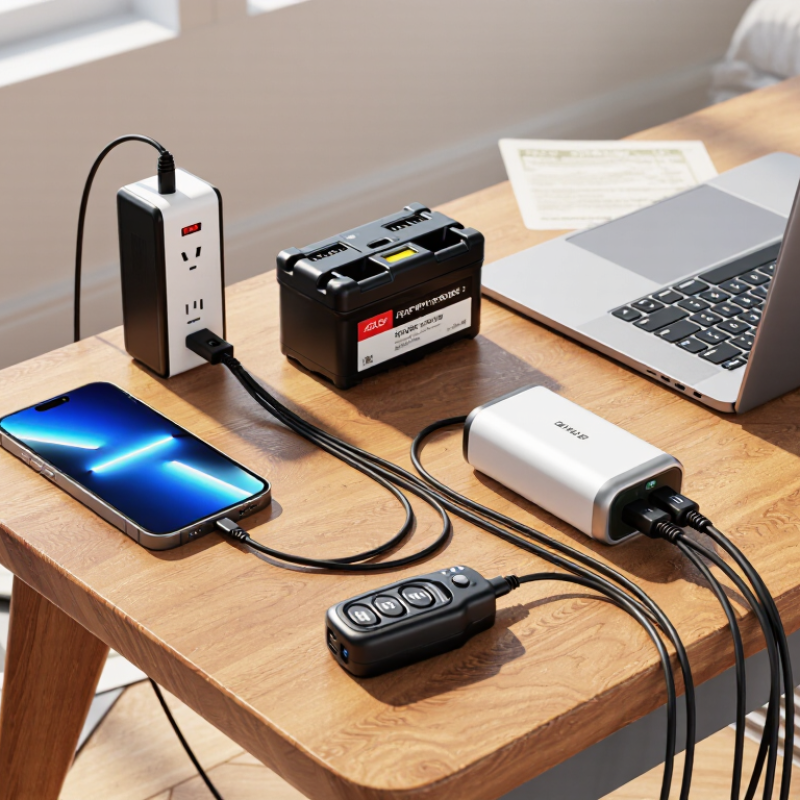
Overnight charging is safe only when the charger, battery, and device are compatible. Check the manual for the required voltage, current, and battery type. A charger designed for continuous connection should include overcharge, overheating, and short-circuit protection. Generic or damaged charging equipment deserves extra caution.
Heat matters. Place the charger on a hard, uncovered surface with airflow around it. Avoid beds, sofas, carpets, and direct sunlight. Inspect the cable for cuts, loose plugs, bent pins, or unusual warmth. Stop charging if you notice swelling, a chemical smell, leaking, hissing, or rapid heating. Never cover the battery while it charges.
Battery chemistry changes the answer. Many modern lithium-ion devices can charge overnight when their approved charging system works correctly. However, the battery may age faster when it remains full and warm for long periods. Lead-acid batteries need suitable ventilation because charging can release gas. They should not be left indoors overnight unless the equipment and environment are specifically designed for it.
A timer or smart cutoff can reduce unnecessary charging. It is easy to trust one safety feature too much. No checklist removes every risk. I would avoid overnight charging when the battery is old, swollen, modified, or exposed to moisture. Follow the manufacturer’s instructions, even when they seem overly cautious. Safety guidance can feel inconvenient. That inconvenience is usually cheaper than replacing damaged equipment or repairing a fire-related loss.
Leaving a battery charger on overnight begins with the battery, not the outlet. Check for swelling, cracks, leaking, loose terminals, or a sweet chemical smell. Stop charging immediately if the pack feels unusually hot. Do not charge a damaged battery on a bed, sofa, or carpet. A hard, nonflammable surface gives heat somewhere to escape.
The charger must match the battery’s chemistry, voltage, connector, and charging limits. Do not assume that a similar-looking adapter is safe. Use the instructions supplied for that exact battery. The International Energy Agency reported more than 14 million electric cars were sold globally in 2023, increasing the number of rechargeable packs in homes. More batteries also mean more opportunities for mismatched equipment. Check whether the charger has overcharge, overcurrent, and temperature protection, but do not treat these features as permission to ignore the manual.
Read the manufacturer’s overnight guidance carefully. Some batteries allow unattended charging; others require supervision or a time limit. Keep the charger away from curtains and paper, and leave ventilation around it. NFPA guidance identifies lithium-ion battery failure as a fire risk when batteries are damaged, misused, or improperly charged. I still recheck the label before sleeping, even when the charger worked perfectly yesterday. Small details are easy to miss. If the manual is unclear, overnight charging is not worth guessing.
Before connecting a charger, choose a firm, dry, nonflammable surface. A bare tile floor or clear metal shelf is safer than a bed, sofa, carpet, or wooden pile. Keep curtains, paper, clothing, and aerosols at least one metre away. The charger needs air around its vents. Do not cover it with clothing.
NFPA’s Home Structure Fires report found that electrical distribution and lighting equipment was involved in 32% of reported home fires from 2017 to 2021. A charger is only one possible source, but the number supports careful placement. CPSC safety guidance also warns against charging damaged batteries, using incompatible adapters, or leaving charging equipment near combustible materials. Inspect the cable before bedtime. Stop if it feels unusually hot, smells sweet or burnt, or shows swelling.
Use a wall outlet that is dry and undamaged. Avoid loose extension cords and overloaded power strips. Place the device where smoke or heat will be noticed quickly, not behind furniture or under bedding. A smoke alarm nearby adds another layer of protection. It is easy to underestimate heat. I have seen people check the battery but ignore the charger’s plug, cable, and surroundings. That is a weak habit. Before sleeping, ask one uncomfortable question: if this charger overheats, what can it ignite first?
Before leaving a battery charger on overnight, confirm that it matches the battery’s voltage, chemistry, and capacity. Read the charger and battery instructions carefully. A suitable charger should regulate current and stop, or shift to maintenance mode, when charging ends. Do not rely on an indicator light alone.
Inspect the cable, plug, and battery case for cuts, cracks, swelling, leaks, or unusual heat. Do not charge a damaged battery. Place the battery on a stable, nonflammable surface with clear airflow around it. Keep it away from blankets, paper, curtains, water, and direct heat. A garage bench is often safer than a bed or sofa. Ventilation matters.
Set any built-in timer or temperature protection before connecting power. Keep the charger’s vents uncovered, and avoid tightly coiling the cable. I still recheck the connection before going to sleep; small mistakes are easy to miss at night. If the battery becomes hot, smells unusual, makes noise, or changes shape, disconnect power only if it is safe, then leave the area and seek qualified assistance. Some chargers lack reliable automatic protection. In that case, overnight charging is a poor choice.
Leaving a battery charger connected overnight can be reasonable when the battery and charger are compatible. After charging ends, inspection matters more than a green indicator. Unplug the charger, let the battery rest for 15 minutes, then check its case, terminals, and cable. The surface should feel cool or slightly warm. Stop using it if you notice swelling, cracks, leaking fluid, a sharp chemical smell, melted plastic, or dark marks near the connector. These signs may indicate internal damage or excessive heat.
Inspect the charger as well. Its casing should be dry, and the connections should feel firm. Look for frayed insulation, bent pins, or unusual discoloration. Check the wall outlet for looseness or heat. A cable may look safe from a distance but split near the plug. Small faults are easy to miss. If anything seems unusual, move the battery away from flammable materials and contact a qualified technician. Do not charge a damaged battery again. One more test can be risky.
Tips: Photograph the battery after charging, especially when used frequently. Record unusual warmth, longer charging times, or odors in a simple log. Keep the charging area dry and uncovered. Never place clothing over the charger. If uncertain, replace the charger instead of guessing.
| Inspection Area | Normal Condition After Charging | Warning Signs | Recommended Action |
|---|---|---|---|
| Battery temperature |
Check The battery is at room temperature or only slightly warm, with no rapidly increasing heat. |
The battery is hot to the touch, continues heating after charging, or has produced smoke or a sharp chemical odor. |
Stop using Disconnect power if it is safe to do so, keep away from flammable materials, and leave a damaged or overheating battery undisturbed until professional guidance is available. Do not cool it with water. |
| Battery housing | The casing is intact, dry, and free from cracks, leaks, swelling, or deformation. | Bulging, splitting, dents near the cell area, leaking fluid, or a damaged terminal is visible. |
Do not recharge Unplug the charger if safe, avoid pressing or puncturing the battery, and arrange disposal or inspection through an authorized battery-recycling or service facility. |
| Charger and cable | The cable insulation is intact, connectors are clean, and the charger has no unusual odor, discoloration, or excessive heat. | Frayed wires, loose connectors, melted plastic, scorch marks, buzzing, or a burning smell is present. |
Remove from service Disconnect the charger and replace it with a compatible, undamaged charger. Do not repair exposed wiring with tape alone. |
| Charging indicator | The indicator shows the expected completed or standby state described in the device instructions. | The indicator remains in an abnormal charging state, flashes unexpectedly, or shows a fault warning. | Disconnect the charger and consult the device manual. Do not continue charging when a fault indicator appears. |
| Charging location | The charger was placed on a hard, stable, nonflammable surface with ventilation around the battery and charger. | The charger or battery was covered by bedding, clothing, paper, or other insulating materials, or placed on a soft surface. | Move future charging to a clear, dry, well-ventilated area. Keep the charging setup away from heat sources, moisture, children, and pets. |
| Power outlet and plug | The plug and outlet are dry, secure, and free from heat, looseness, discoloration, or burn marks. | The outlet or plug is hot, loose, cracked, wet, discolored, or emits a burning smell. |
Stop using the outlet Switch off power if safe, unplug without touching damaged areas, and have the outlet checked by a qualified electrician. |
| Battery odor | No unusual smell is present after charging. | A sweet, solvent-like, acrid, or smoky odor is detected, especially together with heat, swelling, or hissing. | Leave the area if fumes or smoke are present, keep people away, and contact local emergency services if there is fire or an immediate hazard. Do not inhale vapors. |
| After-use storage | The battery is disconnected when charging is complete and stored in a cool, dry place away from direct sunlight and metal objects. | The battery remains connected unnecessarily, is stored in a hot vehicle, or can contact keys, coins, or other conductive metal. | Disconnect after charging when practical, protect terminals from short circuits, and follow the device manufacturer’s storage instructions. |
| Safety reminder: Overnight charging is safest only when the battery, charger, cable, outlet, and charging environment are in good condition and the device instructions permit the practice. Never charge a visibly damaged, swollen, leaking, wet, or overheating battery. | |||
Only when the charger matches the battery’s voltage, chemistry, and capacity. It should stop charging or enter maintenance mode. Otherwise, overnight charging is a poor choice.
Check the cable, plug, battery case, and terminals. Look for cuts, cracks, swelling, leaks, or unusual heat. Do not charge a damaged battery.
Use a stable, nonflammable surface with clear airflow. A garage bench is safer than a bed or sofa. Keep blankets, paper, curtains, water, and direct heat away.
No. A green light does not prove everything is safe. Confirm the charger’s protection features and inspect the battery after charging.
Set the timer or temperature protection before connecting power. Keep vents uncovered and avoid tightly coiling the cable. Recheck the connection before sleeping.
Disconnect power only if it is safe when the battery becomes hot, smells unusual, makes noise, or changes shape. Leave the area if necessary. Seek qualified assistance.
Unplug the charger and let the battery rest for 15 minutes. Check its case, terminals, and cable. The surface should feel cool or slightly warm.
Stop using the battery if you see swelling, leaks, melted plastic, dark marks, or a sharp chemical smell. Inspect the charger and wall outlet too. Do not charge the damaged battery again.
Photograph the battery after charging and keep a simple log. Record unusual warmth, longer charging times, or odors. My checks are not perfect, so written details help reveal patterns.
Is it safe to leave a battery charger on overnight? In many cases, it can be safe when the battery, charger, and charging method are compatible and the equipment is designed for unattended use. Before connecting anything, check the battery’s condition, confirm the charger matches its voltage and chemistry, and follow the manufacturer’s requirements for charging time, ventilation, and supervision. Do not charge a swollen, cracked, leaking, overheated, or visibly damaged battery.
Choose a cool, dry, stable, and nonflammable location away from bedding, paper, water, and direct heat. Inspect the cables and plugs, connect them securely, and use built-in protections such as automatic shutoff, temperature monitoring, and overcharge prevention when available. After charging ends, disconnect the equipment as instructed and examine the battery and charger for unusual heat, odor, swelling, damage, or warning indicators. If anything seems abnormal, stop using the equipment and seek qualified assistance.

NexBolt Charger