As winter approaches, many people overlook the care required for deep cycle batteries. Knowing how to maintain deep cycle batteries in winter is essential for their longevity and performance. These batteries power various applications, from RVs to solar energy systems. In cold weather, battery efficiency can drop significantly. Failure to maintain them may lead to poor performance, or worse, total failure.
Maintaining deep cycle batteries during winter requires specific knowledge and diligence. Cold temperatures can cause electrolyte freezing, damaging the battery. Regular checks of battery charge levels, connections, and temperature are crucial. Using battery blankets or insulation can provide extra protection against harsh weather. It’s easy to forget that even remote batteries need attention.
Finally, don't underestimate the impact of neglect. A poorly maintained battery can lead to unexpected breakdowns. Understanding the right care practices can save you time and money in the long run. The responsibility lies on the user to ensure batteries remain in optimal condition for the seasons ahead.
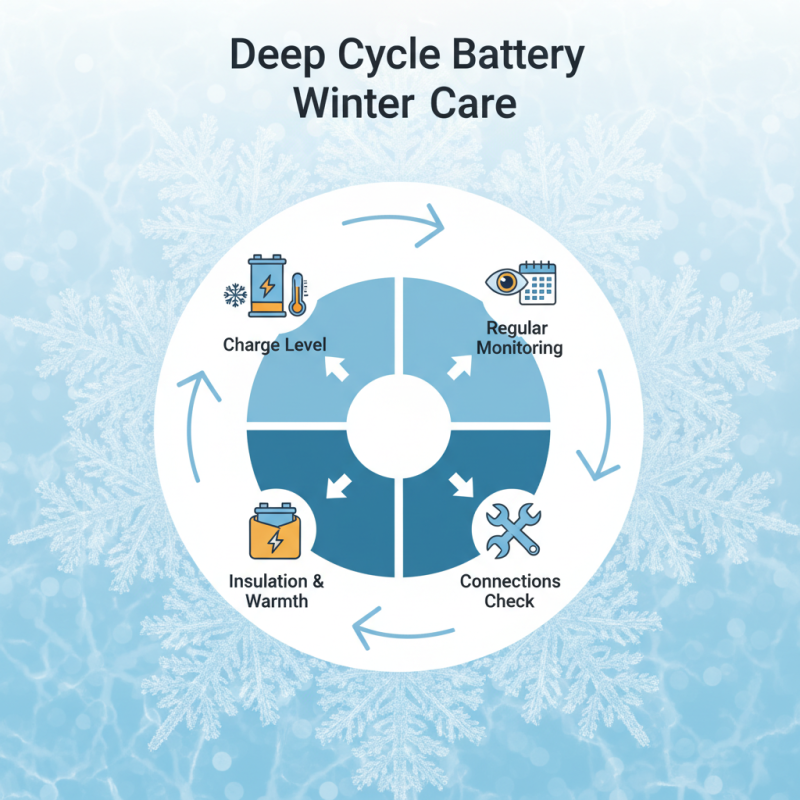
Understanding Deep Cycle Batteries and Their Winter Needs
Deep cycle batteries are crucial for several applications, from renewable energy systems to recreational vehicles. In winter, their needs change significantly. Cold temperatures impact their performance and lifespan. Maintaining optimal conditions is essential for longevity and efficiency.
Check battery voltage regularly in winter. Cold weather can reduce voltage levels. When temperatures drop below freezing, the electrolyte can freeze. This damages the battery. Ensure batteries are fully charged before the cold sets in. A fully charged battery can withstand lower temperatures better than a partially charged one.
Insulate batteries to protect them from the cold. Use foam rubber, blankets, or thermal wraps. Avoid letting the battery sit on a cold surface. Instead, elevate it on wooden pallets or similar materials. Regularly inspect connections for corrosion or wear. Clean terminals can improve performance, even in harsh winter conditions.
Preparing your deep cycle batteries for winter is crucial for their longevity. Start by inspecting the batteries for any signs of wear. Look for cracks or bulges that could indicate damage. Ensure that the connections are tight and free from corrosion. A clean connection helps maintain optimal performance.
Tips: Check the water levels in each cell. If they are low, top them up with distilled water. This will prevent overheating and damage during cold months. Monitor the battery voltage regularly. A voltage below 12.4 volts could signal a need for charging.
Storage is another important aspect. If possible, store batteries in a temperature-controlled environment. Cold temperatures can reduce battery capacity significantly. Regular maintenance checks are key during this season. Use a multimeter to test the voltage. Re-evaluate your charging routine as needed. Remember, every battery is unique and may require specific care.
In cold weather, maintaining deep cycle batteries is crucial. Proper storage techniques can significantly extend their lifespan. According to a report by the Battery Council International, batteries can lose 20% to 50% of their capacity in temperatures below freezing. It makes understanding and implementing effective storage methods essential.
One effective storage technique is to keep batteries fully charged before winter. A fully charged battery is less likely to freeze and suffer damage. Additionally, storing batteries in a dry and insulated area can help regulate temperature fluctuations. Consider adding insulation, such as blankets, around the battery storage area. This minimizes the risk of extreme cold affecting the battery's performance.
Tips: Regularly check the state of charge. Fluctuating charges could indicate a problem. Use a multimeter to monitor voltage levels. Avoid letting batteries discharge below 50%, as this can harm their longevity. Remember, maintaining deep cycle batteries requires diligence and awareness of their condition. Always be cautious and observe any changes in performance.
Maintaining deep cycle batteries during winter is crucial for their longevity. Cold temperatures can severely impact their performance. According to the Battery Council International, a temperature drop of 10°F can reduce the capacity of a lead-acid battery by 20%. Thus, monitoring battery charge levels is essential during the cold months.
Regularly checking the state of charge is necessary. A fully charged battery sits at around 12.7 volts. If the voltage drops below 12.4 volts, it's time to recharge. In colder conditions, batteries can self-discharge at a faster rate. A study by the National Renewable Energy Laboratory highlighted that keeping batteries charged above 50% can prevent deep discharge damage. Insulating the batteries can also help maintain optimal temperature levels.
Another critical factor is understanding the specific needs of your batteries. They may require different maintenance routines based on their age and type. Old batteries can be more susceptible to cold weather effects. Adjusting your monitoring schedule to check on them more frequently in winter is wise. Reflecting on these practices can lead to improved battery performance and lifespan. Careful attention will definitely pay off in the long run.
Winter poses unique challenges for maintaining deep cycle batteries. These batteries can suffer in cold temperatures, which cause decreased performance. It's crucial to store them in a warmer environment if possible. Keeping them charged can prevent freezing. A battery’s capacity drops significantly in cold conditions, so regular monitoring is key.
Always check battery fluid levels. A low fluid level can lead to damage. If necessary, add distilled water to maintain proper levels. Use a hydrometer to measure the specific gravity of the electrolyte. This process might feel tedious, but it helps ensure the longevity of your batteries. Additionally, if you're using multiple batteries, keep them balanced for optimal efficiency.
When handling batteries, wear protective gear. Safety glasses and gloves can prevent accidents. Avoid overcharging batteries. This can lead to overheating and damage. If you notice corrosion, clean it quickly but carefully. Improper handling can cause leaks, affecting both safety and performance. Taking these steps might seem excessive, but each detail matters in ensuring safety and efficiency.
: Cold temperatures can significantly reduce battery performance and capacity. Regular monitoring helps prevent issues.
Cold temperatures can lower voltage levels. A drop below 12.4 volts indicates it’s time to recharge.
The electrolyte can freeze in cold conditions, potentially damaging the battery. It’s crucial to keep batteries charged before winter.
Use foam rubber, blankets, or thermal wraps. Elevate batteries off cold surfaces for better protection.
It’s wise to check regularly. Frequency should increase for older batteries, as they may face more challenges.
A fully charged battery typically measures around 12.7 volts. Keeping it above this level is essential.
Yes, regularly inspecting and cleaning terminals can improve performance, even in harsh winter conditions.
Recharge the battery if the voltage drops below 12.4 volts. Doing so can help maintain its longevity.
No, older batteries may be more susceptible to cold weather effects. They require closer monitoring during winter months.
Neglect can lead to reduced performance and shorter lifespan. Reflecting on maintenance can prevent these issues.
Maintaining deep cycle batteries during winter is crucial for their longevity and performance. To understand how to maintain deep cycle batteries in winter, it's important to first inspect and prepare these batteries for the cold months ahead. This involves checking for any signs of damage or wear and ensuring they are fully charged before temperatures drop.
Proper storage techniques are vital; batteries should be stored in a dry, insulated area to prevent freezing, which can severely affect their capacity. Additionally, monitoring battery charge levels throughout the winter months will help avoid unexpected failures. Lastly, adhering to safe battery usage and handling practices, such as using appropriate protective gear, ensures safety while working with these essential components during harsh weather conditions. By following these guidelines, you can significantly enhance the life and efficiency of your deep cycle batteries throughout the winter.

NexBolt Charger