2026 Top Tips How to Store Battery Chargers When Not in Use?

Time:2026-10-07 Author:Sienna
0%

How to store battery chargers when not in use is a practical question for homes, workshops, garages, and professional maintenance rooms. A charger may look inactive, yet dust, moisture, heat, and tangled cables can slowly damage it. Safe storage protects the charger, connected batteries, and the person who uses them later.

Isidor Buchmann, founder of Cadex Electronics and Battery University, writes, “The battery prefers cool temperatures.” This principle also matters when storing chargers with lithium-ion equipment. Unplug the charger completely before putting it away. Let it cool first. Inspect the cable, plug, housing, and ventilation openings. A cracked casing or loose connector should not be ignored. It may be harmless today. It may not remain harmless.

Choose a dry, shaded shelf with stable room temperature. Avoid direct sunlight, damp basements, hot vehicle interiors, and areas beside heaters. Coil the cable loosely, rather than bending it sharply near the plug. Keep chargers away from metal tools, liquids, children, and flammable materials. Do not cover a warm charger with clothing or place heavy objects on top of it. If the charger includes removable adapters, store them together and label unfamiliar units. That small step prevents the wrong charger from being used later.

Our experience suggests that organization is often the missing safety measure. Still, storage advice is not universal. Manufacturers may specify different temperature, humidity, or inspection requirements. Read the manual before relying on general guidance. A tidy shelf helps, but careful judgment matters more.
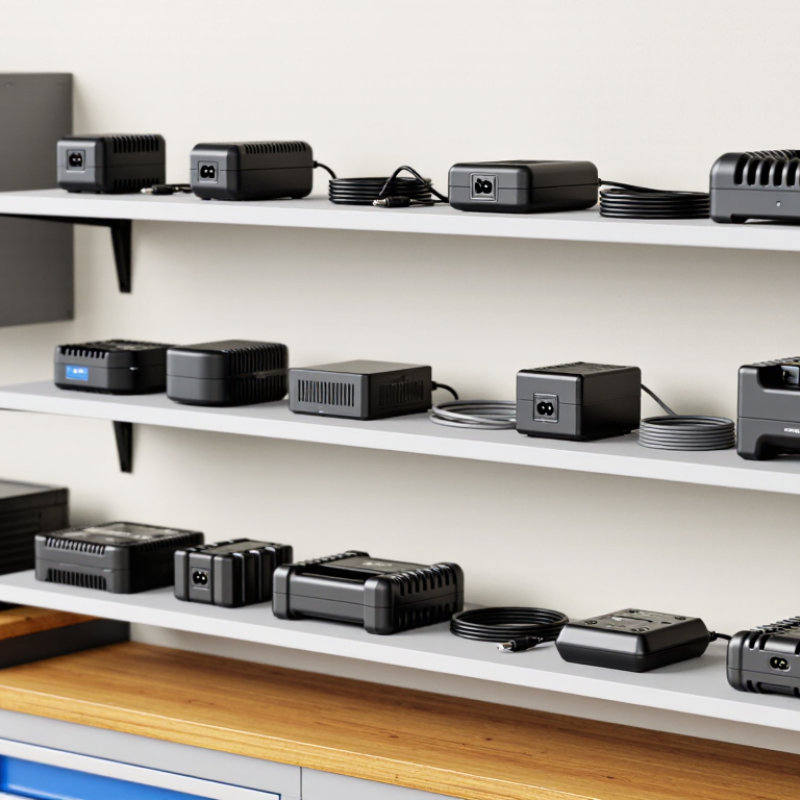
2026 Top Tips How to Store Battery Chargers When Not in Use?

Identify Charger Type and Follow Its 40–60% Optimal Storage Humidity Range

Storing a battery charger well starts with identifying its charger type. A basic AC adapter usually needs simple dry storage. Smart chargers contain control circuits and may need more careful protection. USB chargers can collect dust inside small connector openings. Automotive chargers often face greater heat and moisture exposure. Check the charger label and its instruction manual before storing it.

Aim for 40–60% relative humidity when the charger is unused. This range helps limit corrosion without creating an overly dry environment. A small digital hygrometer can measure the storage area. Keep the charger unplugged, cool, and away from direct sunlight. Avoid bathrooms, garages with condensation, and windowsills during wet weather. A clean drawer works better than an open shelf.

I once stored a charger beside a cold window. The cable looked fine, but the metal contacts later showed dull spots. That mistake changed my routine. I now wipe the charger with a dry cloth and inspect the cable before storage. Do not wrap the cable tightly around the charging body. Loose loops reduce stress near the plug. If humidity stays high, use a sealed container with a small desiccant pouch, but avoid trapping a damp charger inside. The 40–60% target is useful, not absolute. The manufacturer’s storage guidance should take priority when it differs.

Disconnect, Cool, and Inspect Chargers Below 40°C Before Storage

Storing a battery charger properly starts before it reaches the shelf. After charging, switch it off and unplug it from the wall. Then disconnect the charging cable from the battery. This prevents standby heat, accidental contact, and unnecessary cable stress. Let the charger cool naturally in an open, dry area. Never pack it while warm. A practical target is below 40°C before storage, especially after repeated charging cycles. Touch is only a rough check; use a simple thermometer if available. Keep airflow around the vents during cooling. Do not place the unit on fabric, inside a closed drawer, or beneath direct sunlight. Small habits matter.

Before storage, inspect the housing, plug, cable, and connector. Look for cracks, flattened insulation, discoloration, loose pins, or a burnt smell. If anything seems abnormal, isolate the charger and arrange qualified assessment instead of testing it repeatedly. Clean dust with a dry, soft cloth. Avoid water near electrical openings. Coil the cable loosely, without sharp bends, and place the charger in a cool, dry cabinet away from moisture and heat sources. I used to wrap cables tightly to save space; that habit slowly damaged the outer sheath. It was easy to miss. Check the charger every few months, particularly after seasonal storage. Record the inspection date if several chargers share one cabinet. Storage instructions can differ, so the manufacturer’s manual remains the most reliable reference. Maybe I should have read it earlier.

Store Chargers in a Dry, Ventilated Space at 15–25°C

2026 Top Tips: How to Store Battery Chargers When Not in Use?

A charger lasts longer when its storage conditions remain stable. Keep it in a dry, ventilated space between 15–25°C. This range limits heat stress and reduces moisture-related damage. Avoid bathrooms, garages, windowsills, and unheated sheds. These areas often experience condensation or sharp temperature changes.

Unplug the charger completely before storing it. Let it cool first. Do not wrap the cable tightly around the adapter, because repeated bending can weaken the insulation. Place the charger on a clean shelf, away from direct sunlight, liquids, dust, and flammable materials. Leave space around ventilation openings. A sealed plastic box may trap humidity, even when it looks convenient.

Tips: Check the cable, plug, and casing before storage. Look for cuts, loose parts, discoloration, or unusual smells. Do not store a damaged charger for later use. Keep it away from metal objects that could press against the plug. I once stored a charger in a crowded drawer, and the cable bent sharply near the connector. It still worked, but that was not good practice. A breathable fabric pouch can help with dust, but it should not restrict airflow. Recheck the storage area every few months. Conditions can change quietly.

2026 Top Tips How to Store Battery Chargers When Not in Use? - Store Chargers in a Dry, Ventilated Space at 15–25°C

Storage Factor Recommended Practice Target or Limit Reason
Temperature Store the charger indoors in a stable, dry location away from heaters, radiators, ovens, and direct sunlight. 15–25°C preferred; follow the product manual for the permitted range. Moderate temperatures help reduce heat-related aging and condensation risk.
Humidity Keep the charger away from bathrooms, damp basements, sinks, and areas exposed to water or condensation. Dry environment; indoor relative humidity around 30–60% is generally suitable. Moisture can corrode contacts and increase the risk of electrical faults.
Ventilation Place the charger in an open or well-ventilated area; do not cover it with clothing, bedding, or plastic during operation or immediately afterward. Allow free airflow around the housing and vents. Air circulation helps dissipate heat and prevents trapped moisture.
Power connection Unplug the charger from the wall outlet when it is not required, unless the manufacturer specifically states otherwise. Store disconnected from mains power. This reduces standby energy use and avoids unnecessary electrical exposure.
Cable arrangement Coil the cable loosely without sharp bends, tight knots, or pressure on the connector. Use a gentle loop with no visible strain. Loose storage helps prevent insulation damage and conductor fatigue.
Connector protection Keep plugs and connectors clean and protected from dust. Use a suitable cap only if it is designed for that connector. No dirt, moisture, bent pins, or exposed damage. Clean contacts support reliable electrical connection and reduce corrosion.
Storage surface Store on a clean, stable, non-combustible surface rather than under heavy objects or inside tightly packed drawers. Keep the charger free from crushing, impact, and obstruction. Protection from mechanical damage helps preserve the casing, cable, and internal components.
Pre-storage inspection Check the cable, plug, casing, and connector before putting the charger away. Do not store or use units with cuts, melted plastic, loose parts, scorch marks, or exposed wires. Visible damage may indicate an electrical or fire hazard.
Cleaning Disconnect the charger and wipe it with a soft, dry cloth. Do not spray liquid into openings. Keep vents and contacts free of dust and debris. Dry cleaning minimizes moisture and contamination around electrical parts.
Long-term storage Review the charger periodically and keep its instruction manual available. Replace it if damage or abnormal odor, noise, or overheating is noticed. Inspect every 3–6 months during extended non-use. Periodic checks can identify deterioration before the next charging session.

Safety note: Always follow the charger and battery manufacturer’s instructions if they specify different storage conditions or precautions.

Keep Lithium-Ion Battery Packs at 30–50% Charge During Long-Term Storage

Lithium-ion battery packs should rest at 30–50% charge during long-term storage. Around 40% is a practical target. Not full. Not empty. Full storage increases voltage stress, while very low charge can trigger deep discharge. Technical storage data compiled by Battery University shows better one-year retention near 40% than at full charge, especially at moderate temperatures.

Before storing a charger, unplug it from the wall and the battery pack. Let both devices cool completely. Coil the cable loosely, then place the charger in a dry, ventilated drawer. Keep it away from metal tools, moisture, direct sunlight, and heat sources. Store the battery separately. A cool room near 15–25°C is preferable. The U.S. Department of Energy’s battery research guidance repeatedly identifies heat as a major factor in capacity loss.

Check the pack every two or three months. Recharge it toward 40% if its level falls below 30%. Use the charger designed for that battery system, and inspect cables for cuts or crushed insulation. My own mistake was leaving one pack nearly empty for months. It still worked, but runtime dropped noticeably. The International Energy Agency’s Global EV Outlook 2025 reports that lithium-ion battery demand exceeded 1 TWh in 2024, making careful storage increasingly relevant across homes and workplaces. Storage advice is not perfectly universal; chemistry, age, and protection electronics can change the result. Read the pack’s technical instructions before choosing a longer interval.

2026 Top Tips: How to Store Battery Chargers When Not in Use?

For long-term storage, keep lithium-ion battery packs at approximately 30–50% state of charge rather than storing them fully charged.

Recommended practice: Charge the pack to about 40% before storage, disconnect it from the charger, and keep it in a cool, dry location. Check the charge periodically and follow the battery manufacturer’s safety instructions.

Check Chargers Every 3–6 Months for Heat, Damage, and Corrosion

2026 Top Tips: How to Store Battery Chargers When Not in Use?

Check stored battery chargers every three to six months. This simple habit can reveal heat damage, cracked insulation, or corrosion early. I keep a small inspection note near the storage shelf. It records the date and any unusual smell, discoloration, or loose connection.

Before checking, unplug the charger and let it cool completely. Feel the casing gently. It should not feel warped, sticky, or unusually warm. Examine the cable near both ends, where bending often causes hidden damage. Look closely at the plug pins and charging contacts. White, green, or dark residue may indicate corrosion. Do not scrape it aggressively or reconnect the charger just to test it. That shortcut can create a bigger problem.

Store chargers in a dry, shaded place with airflow. Coil cables loosely, not tightly around the adapter. Keep them away from damp floors, direct sunlight, and heavy objects. A clean fabric pouch can reduce dust, but sealed plastic may trap moisture. I once stored a charger in a closed box after a humid season. It looked fine outside, yet the contacts had started dulling. That mistake changed my routine. If a charger shows melting, swelling, exposed wires, persistent heat, or corrosion, isolate it and follow the manufacturer’s disposal or replacement guidance. Do not assume a quick wipe makes it safe.

FAQS

How should I identify the right storage method for a battery charger?

Check the charger label and instruction manual before storage. Basic adapters need dry storage, while smart and automotive chargers may need extra protection.

What humidity range is suitable for unused chargers?

Aim for 40–60% relative humidity. A small digital hygrometer can help measure the storage area.

What temperature is best for charger storage?

Keep chargers between 15–25°C in a stable, ventilated space. Avoid sudden temperature changes and condensation.

Where should I store a charger at home?

Use a clean drawer or shaded shelf away from liquids, dust, sunlight, and flammable materials. Bathrooms and damp garages are poor choices.

Should the charger remain plugged in during storage?

No. Unplug it completely and let the casing cool before putting it away.

How can I prevent cable damage during storage?

Make loose loops instead of tight coils around the adapter. Inspect both cable ends because bending damage often hides near connectors.

Can I use a sealed container for charger storage?

Only when the charger is completely dry. A sealed box can trap moisture, while a breathable fabric pouch reduces dust without blocking airflow.

How often should I inspect a stored charger?

Check it every three to six months. Look for cracked insulation, melted areas, unusual smells, loose parts, or residue on contacts.

What should I do if a stored charger shows corrosion or damage?

Isolate it and follow the manufacturer’s replacement or disposal guidance. Do not reconnect it merely for testing. A quick wipe may not make it safe.

Conclusion

How to store battery chargers when not in use begins with identifying the charger type and following suitable storage conditions. Before putting a charger away, disconnect it from all power sources, allow it to cool below 40°C, and inspect the cable, plug, housing, and connections for damage or unusual wear. Clean away dust and make sure the charger is completely dry.

Store chargers in a dry, well-ventilated location maintained between 15°C and 25°C, with relative humidity ideally kept between 40% and 60%. Avoid direct sunlight, damp areas, extreme temperatures, and tightly enclosed spaces that may trap heat. If the charger is used with a lithium-ion battery pack, keep the pack at approximately 30%–50% charge for long-term storage rather than leaving it completely full or empty. Every three to six months, check the charger and battery for heat damage, corrosion, swelling, cracked insulation, or other changes, and discontinue use if any unsafe condition appears.

Sienna

Sienna

Sienna is a skilled marketing professional with a deep expertise in our company’s core products and services. With a passion for innovation and detail, she plays a pivotal role in crafting insightful blog posts that not only highlight the unique features of our offerings but also provide valuable......