Premium industrial solutions engineered for logistics carts, road rescue, forklifts, and portable electric vehicle assemblies.
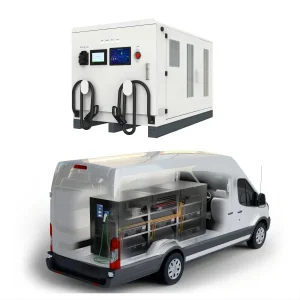
Analyzing macro industrial shifts, supply chain vectors, and regulatory transformations steering fleet operations.
The commercial and industrial landscape is undergoing a massive shift toward full electrification. Heavy industries, large-scale warehouses, and distribution centers are replacing old internal combustion utility vehicles (UTVs) with electric alternatives. Consequently, the demand for high-capacity, heavy-duty utility vehicle battery chargers has reached an all-time high. Fleet operators are looking for robust, intelligent off-board and on-board units capable of managing different battery chemistries (such as Lithium-Iron Phosphate and lead-acid). These systems need to operate reliably in harsh environments like dry ports, sub-zero warehouse vaults, and dusty manufacturing floors.
In North America and the European Union, stricter occupational health and safety rules, combined with corporate net-zero goals, are pushing companies to phase out indoor internal combustion engines. Airport ground handlers, municipal utility teams, and internal logistics operations are adopting electric fleets to cut down noise and exhaust emissions. This clean energy transition requires a reliable charging infrastructure. Modern utility chargers must do more than just supply power; they need to protect battery health, communicate with the vehicle's onboard computer (BMS), and work efficiently under different grid workloads.
Modern fleets use smart chargers with CAN-bus communication. This prevents grid overload by dynamically balancing power based on real-time demands.
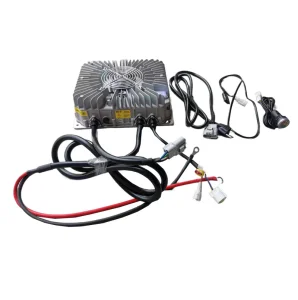
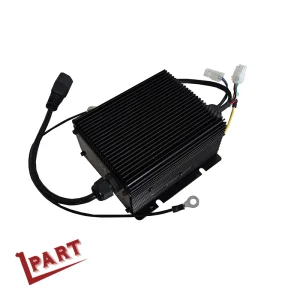
With high IP ratings (IP65/IP67) and rugged aluminum enclosures, these units withstand vibration, dust, moisture, and high operating temperatures.
Advanced charging units adapt their profiles automatically to charge LiFePO4, traditional lead-acid, or ternary lithium batteries safely.
Huizhou NexBolt Charger Co., Ltd. — Pioneering High-Efficiency Power Solutions Since 2009.
Huizhou NexBolt Charger Co., Ltd. was established in 2009 and is a professional manufacturer specializing in the research, development, production, and sales of advanced lithium battery charging solutions. Our products are widely applied in electric vehicles (EVs), electric motorcycles, e-bikes, electric sweepers, forklifts, AGVs, and various industrial and energy storage systems, meeting the diverse needs of modern electrification.
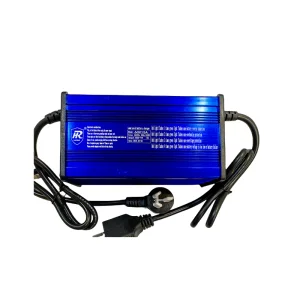
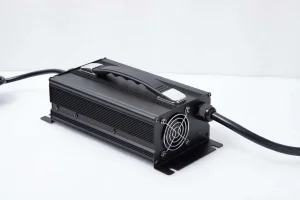
By adopting high-frequency switching power supply technology, NexBolt chargers deliver outstanding performance characterized by high efficiency (up to 99%), stable output, intelligent charging control, and enhanced safety protection. Our chargers are designed with multiple protection functions, including over-voltage, over-current, short-circuit, and over-temperature protection, ensuring reliable and safe operation under different working conditions. Featuring aluminum alloy housings, our products offer excellent heat dissipation, durability, elegant appearance, lightweight construction, and compact size, making them both portable and user-friendly.
Quality and innovation are at the core of our business. All NexBolt products comply with international standards and have obtained certifications such as CE and RoHS. We also hold a number of national patents for our independently developed technologies, demonstrating our strong R&D capabilities and commitment to continuous innovation. Our engineering team constantly works to optimize product performance, improve energy efficiency, and develop customized solutions tailored to specific customer requirements.
Over the years, Huizhou NexBolt Charger Co., Ltd. has successfully expanded its market presence across North America, Europe, Southeast Asia, and other regions, establishing long-term and stable partnerships with leading e-bike manufacturers, battery producers, and OEM/ODM clients worldwide. Through continuous investment in advanced equipment, technical expertise, and skilled personnel, we have achieved rapid growth and steadily increased our global market share.
In addition to delivering high-quality products, we place great emphasis on customer service. We provide comprehensive pre-sales consultation, flexible customization services, and responsive after-sales support to ensure customer satisfaction at every stage. With reliable product quality, competitive pricing, fast delivery, and professional service, NexBolt has become a trusted and competitive partner in the new energy industry. Looking ahead, Huizhou NexBolt Charger Co., Ltd. will continue to focus on technological innovation and sustainable development, striving to provide efficient, intelligent, and eco-friendly charging solutions, and to contribute to the advancement of the global green energy ecosystem.
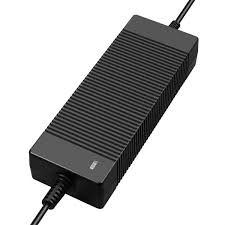
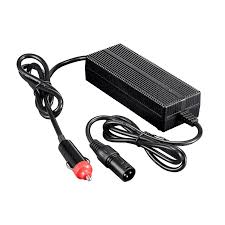
How high-performance battery chargers are utilized across global industrial sectors.
In smart warehousing, Autonomous Guided Vehicles (AGVs) and electric stackers run on tight schedules. Our fast chargers run during scheduled breaks to keep fleets moving 24/7. These chargers integrate with automatic docking systems, enabling hands-free opportunity charging.
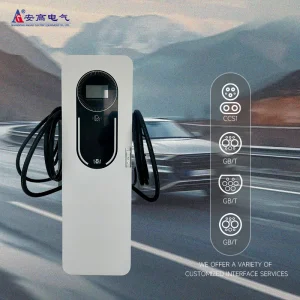
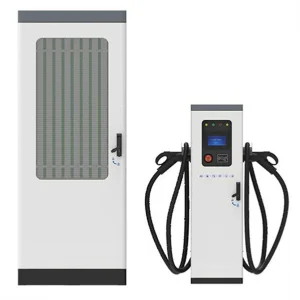
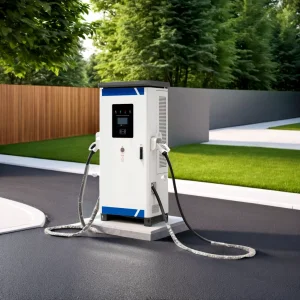
Airport tarmac equipment must withstand wind, rain, and extreme temperatures. High-capacity DC fast charging systems, ranging from 60kW to 120kW, provide fast and safe charging for baggage handlers and pushback tractors.
Electric street sweepers need consistent, high-power charging to maintain their daily routes. Built-in thermal protection and aluminum alloy casings allow these chargers to run at peak capacity for hours in tough municipal environments.
Integrating Silicon Carbide (SiC) semiconductors, smart grid technology, and advanced thermal management.
Modern charging systems are shifting toward higher frequencies and higher power densities. Traditional silicon components are being replaced by Silicon Carbide (SiC) and Gallium Nitride (GaN) power units. These wide-bandgap materials reduce energy loss as heat, allowing manufacturers to build smaller, lighter, and more efficient chargers. With efficiency levels reaching up to 99%, fleet operators can significantly lower their annual electricity bills.
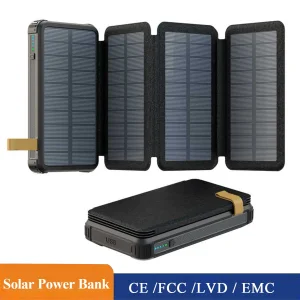
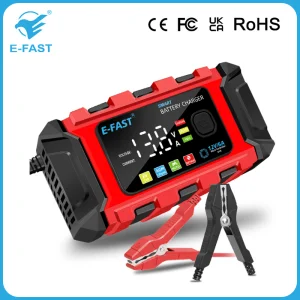
Explore high-capacity DC fast charging systems, solar-integrated power units, and intelligent portable chargers.
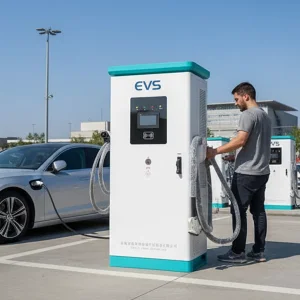
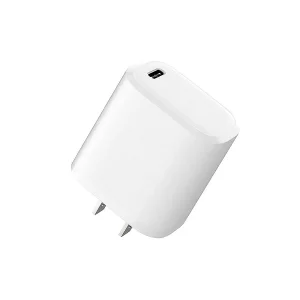
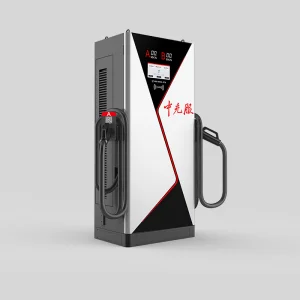
Cohesive, multi-tier charging installations for commercial parking lots, ports, and delivery hubs.
Setting up charging systems for large utility vehicle fleets requires planning beyond individual chargers. Industrial facilities must design scalable systems that balance high power demands with grid limits. Installing high-power DC chargers (60kW to 120kW, or even ultra-high-power 400kW units) requires smart energy management systems (EMS). This software schedules charging slots and balances power loads across the site, helping to avoid expensive peak demand surcharges from local utilities.
Adding clean energy, like onsite solar panel arrays paired with battery energy storage systems (BESS), makes industrial charging sites even more efficient. Fleet operators can store cheap solar power generated during the day and use it to charge vehicles overnight. This hybrid design lowers operational costs and keeps charging stations running during local power outages. High-efficiency conversion modules and rugged, weather-sealed casings ensure these systems deliver reliable performance in any weather.
Clear, expert answers to key questions about buying, installing, and maintaining utility vehicle chargers.
NexBolt battery chargers utilize high-frequency switching power supply technology to deliver conversion efficiency up to 99%. Higher efficiency reduces energy loss as waste heat, which lowers operating costs and extends the working life of the internal electronics.
Yes, many of our smart chargers can run multiple charging algorithms. They adjust their current and voltage profiles to safely charge different battery chemistries, including Lithium-Iron Phosphate (LiFePO4), ternary lithium, and traditional flooded or sealed lead-acid batteries.
Our chargers are built with multiple layers of electrical protection, including safeguards against over-voltage, over-current, short-circuits, and over-temperature issues. These features keep operations running safely under tough industrial conditions.
Aluminum has excellent natural thermal conductivity. The alloy enclosures act as large heat sinks, dissipating heat quickly without always needing noisy, high-maintenance cooling fans. This design keeps the chargers lightweight, durable, and highly reliable.
Yes, we provide flexible OEM and ODM services. Our engineering team can customize charger housings, communication protocols (like CAN-bus), voltage limits, and connector configurations to match the specific needs of your fleet.
 NexBolt Charger