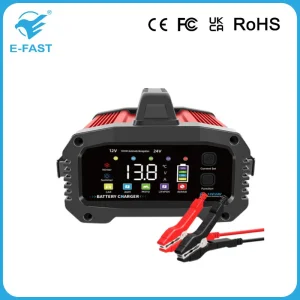
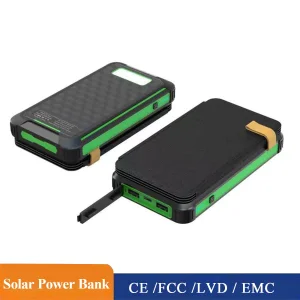
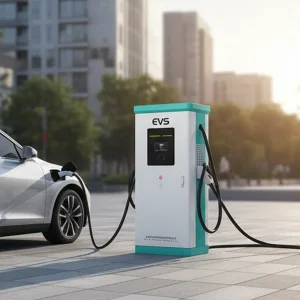
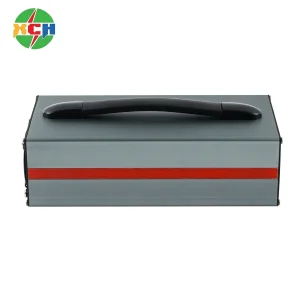
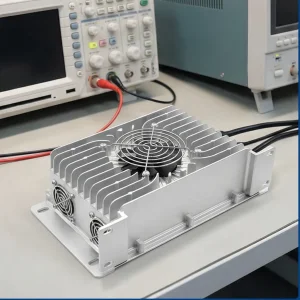
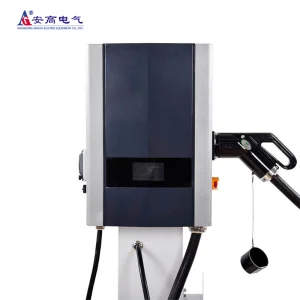
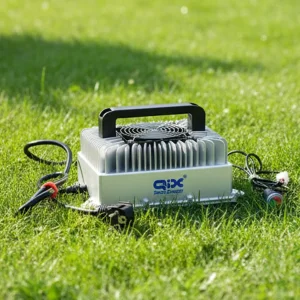
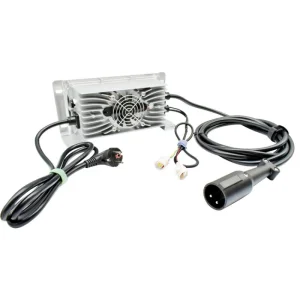
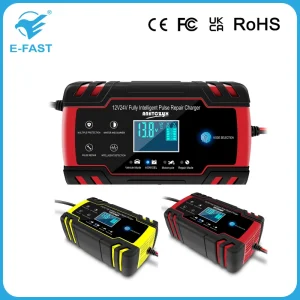
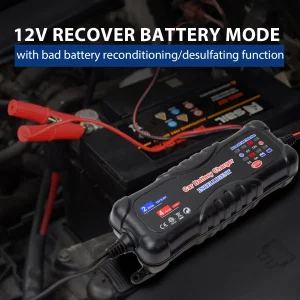
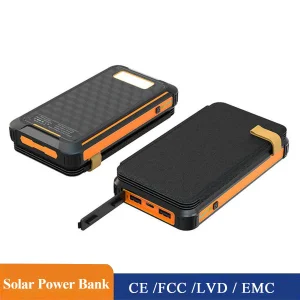
Established in 2009, Huizhou NexBolt Charger Co., Ltd. has emerged as a global leader in the R&D and manufacturing of advanced lithium battery charging solutions. We don't just build chargers; we engineer high-efficiency energy management systems that power the world's shift toward sustainable mobility and industrial automation.
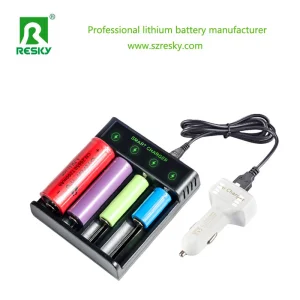
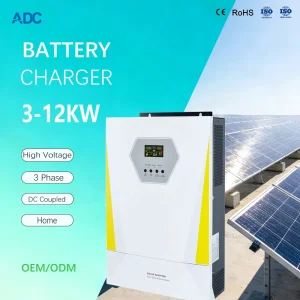
Our portfolio spans from compact 2A consumer chargers to massive 120kW DC fast-charging stations, supporting electric vehicles (EVs), AGVs, marine crafts, and large-scale energy storage systems (ESS).
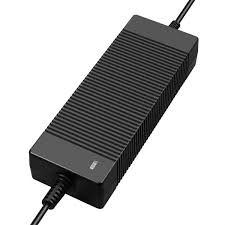
Addressing the critical need for Information Gain in the New Energy Sector.
As cities transition to "Last Mile" electric delivery, our 20A-50A chargers for E-bikes and E-scooters provide the reliability needed for 24/7 fleet operations. We optimize the charging curve to prevent dendrite growth in lithium cells, extending fleet life by up to 30%.
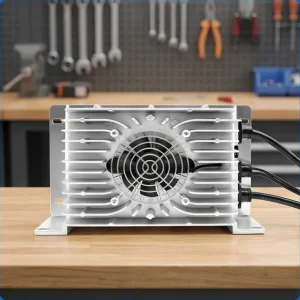
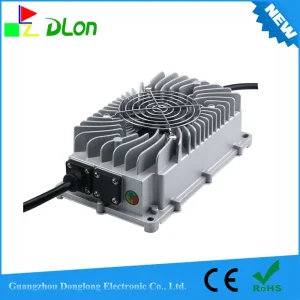
In the world of Industry 4.0, downtime is a profit-killer. NexBolt’s IP67-rated chargers for forklifts and AGVs feature CAN-bus communication, allowing real-time integration with Warehouse Management Systems (WMS).
Salt-spray and high humidity are the enemies of electronics. Our aluminum alloy, resin-potted chargers are designed for 24V marine applications, ensuring safe charging even in the most corrosive offshore conditions.
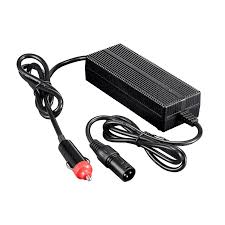
By adopting high-frequency switching power supply technology, NexBolt chargers achieve a paradigm shift in performance. Unlike traditional linear chargers, our systems minimize heat generation and maximize current stability.
All products exported to these regions strictly adhere to CE, RoHS, and FCC requirements. We understand the stringent safety protocols of the EU and the UL-related standards for the US market, ensuring zero friction in customs and local distribution.
In regions with fluctuating grid stability, our chargers feature Wide Voltage Input (90V-264V). This ensures that even in areas with "dirty" power, NexBolt chargers remain stable and protect the connected battery from surges.
We provide full white-label services, including customized charging curves for proprietary battery chemistries (LiFePO4, LTO, Solid-State) and localized user manuals in 15+ languages.
Implementing Gallium Nitride (GaN) transistors to reduce charger size by another 40% while increasing power density for portable EVSE.
Developing Vehicle-to-Grid (V2G) bi-directional charging for residential energy storage, allowing EVs to power homes during peak outages.
Launching a cloud-based battery health monitoring platform that predicts battery failure before it happens via charger data analysis.
 NexBolt Charger