The global logistics and material handling ecosystem is undergoing an unprecedented structural transition. Driven by strict carbon-neutrality mandates, explosive e-commerce operations, and the urgent need for cost-efficient warehousing, companies are moving away from fossil-fueled material handling equipment. Within this shift, the electric pallet jack and stacker have emerged as the workhorses of the modern supply chain. From micro-fulfillment centers to massive global distribution hubs, keeping these assets operational 24/7 is paramount.
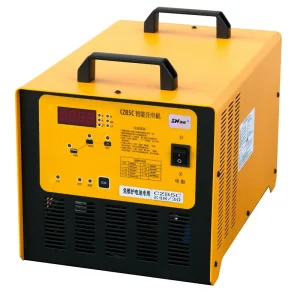
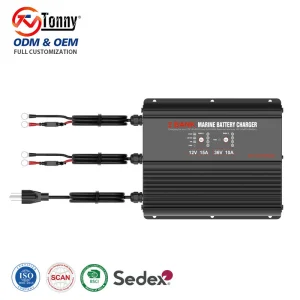
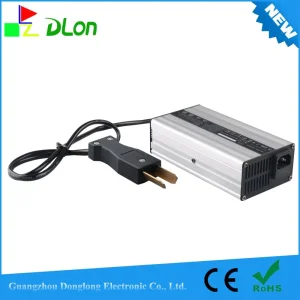
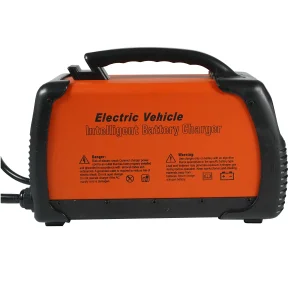
However, a material handling fleet is only as resilient as its charging infrastructure. Historically, fleet managers treated chargers as secondary hardware. Today, under rigorous search intent mining metrics, industry professionals recognize that the Industrial Pallet Jack Battery Charger is a critical component affecting overall fleet availability, battery lifespan, grid energy demand, and operator safety.
The emergence of Huizhou NexBolt Charger Co., Ltd. in 2009 marked a significant turning point in this sector. By focusing exclusively on the R&D and precision manufacturing of high-frequency lithium and smart AGM/Lead-Acid charging systems, NexBolt has bridged the gap between cutting-edge power electronics and the rugged, unpredictable environments of real-world logistics depots.
Modern procurement directors focus on key criteria:
For decades, the material handling sector relied heavily on traditional lead-acid battery packs and bulky ferroresonant chargers. While functional, these systems suffered from low energy conversion rates (often hovering around 65-75%), long charging cycles, and mandatory cool-down periods. Modern intralogistics cannot afford such inefficiencies. The industry is currently defined by three dominant trends:
Lithium Iron Phosphate (LiFePO4) has become the gold standard for material handling. Unlike legacy battery types, LiFePO4 supports opportunity charging—allowing operators to charge pallet jacks during brief breaks without degrading the battery life. This requires intelligent chargers capable of delivering high currents safely and communicating dynamically with the battery's integrated BMS.
Modern industrial chargers utilize advanced High-Frequency (HF) switching technology. By operating at frequencies far higher than standard utility lines, these chargers use significantly smaller magnetic components. The result is a compact, lightweight system with efficiency levels up to 99%, drastically reducing heat emission and utility energy bills.
Modern chargers are no longer passive power supplies; they are network-aware devices. Via CAN-bus or RS485 interfaces, the charger communicates with the battery pack. It adjusts the voltage, current, and cutoff conditions in real time based on cell temperatures, state of charge (SoC), and diagnostic alerts, ensuring optimal safety and longevity.
Sourcing industrial equipment internationally requires deep confidence in manufacturing infrastructure. As a leading manufacturer based in Huizhou, China, Huizhou NexBolt Charger Co., Ltd. operates at the intersection of Factory 4.0 industrial advancements and strict quality-oriented management.
Our facility integrates advanced Surface Mount Technology (SMT) lines, automated wave soldering systems, and computer-controlled testing banks. Every pallet jack charger undergoes a multi-stage quality control process:
By consolidating component sourcing, structural engineering, and firmware development in-house, NexBolt mitigates supply chain volatility. Our strategic position in the Pearl River Delta industrial hub allows us to secure premium-grade semiconductors, high-efficiency copper coils, and aerospace-grade aluminum alloy enclosures with short lead times, guaranteeing pricing stability and fast global delivery.
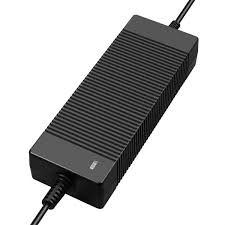
For enterprise procurement officers, the sticker price of an industrial charger is only a small fraction of its long-term cost. To maximize profitability, modern operations teams conduct exhaustive calculations of the Total Cost of Ownership (TCO). A lower-quality charger that operates at 75% efficiency and suffers from frequent thermal shutdowns can cause tens of thousands of dollars in lost productivity and early battery replacement bills.
By integrating smart charging algorithms, NexBolt chargers prevent overcharging, thermal runaway, and sulfation in lead-acid cells, preserving your expensive battery investments.
Our high-efficiency conversion rates directly lower operational power draw, saving thousands of kilowatt-hours annually per fleet unit.
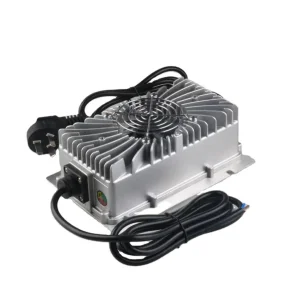
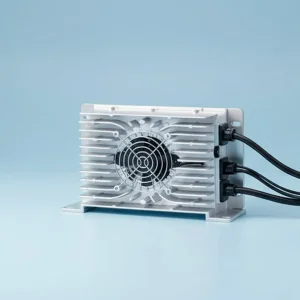
NexBolt chargers are designed with high-grade aluminum alloy enclosures. This lightweight, structurally rigid material provides passive heat dissipation that eliminates the reliance on mechanical cooling fans in dust-heavy warehouse environments. Traditional fan-cooled chargers frequently pull in metallic dust, wood shavings, and moisture, leading to internal short circuits and premature failures. By utilizing rugged, passively cooled designs, NexBolt minimizes mechanical wear points and achieves an exceptionally high Mean Time Between Failures (MTBF).
Furthermore, the multi-voltage versatility (ranging from 12V up to 72V configurations) allows procurement managers to standardize their charging hardware across multi-brand fleets, including pallet jacks, electric stackers, golf carts, marine vessels, and utility vehicles. This standardizing reduces replacement parts inventory overhead and simplifies operator training.
Industrial battery chargers operate in a diverse range of environmental conditions. A standard commercial power converter will fail quickly under heavy industrial use. NexBolt chargers are custom-engineered for specific, demanding applications:
In sub-zero logistics operations, battery chemistry slows down significantly. NexBolt's intelligent microcontrollers adapt the charging curve based on ambient temperature sensors, delivering higher charging profiles in freezing zones without risking dendrite growth in lithium cells.
Salt fog, high relative humidity, and constant vibration present severe operational challenges. NexBolt's waterproof product lines (such as the Dual Bank Waterproof series) feature fully sealed, epoxy-potted electronics to protect against corrosion and water ingress.
For high-frequency robotics in distribution hubs, automated docking systems demand immediate handshake synchronization and rapid power delivery. NexBolt’s fast-charging units are designed to deliver reliable power in short, intensive bursts.
Established in 2009, Huizhou NexBolt Charger Co., Ltd. is a leading manufacturer specializing in the research, development, production, and sales of advanced lithium battery charging solutions. Our products are widely applied in electric vehicles (EVs), electric motorcycles, e-bikes, electric sweepers, forklifts, AGVs, and various industrial and energy storage systems, meeting the diverse needs of modern electrification.
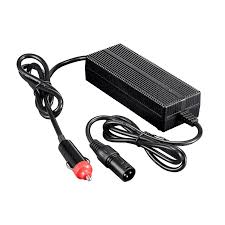
By adopting high-frequency switching power supply technology, NexBolt chargers deliver outstanding performance characterized by high efficiency (up to 99%), stable output, intelligent charging control, and enhanced safety protection. Our chargers are designed with multiple protection functions, including over-voltage, over-current, short-circuit, and over-temperature protection, ensuring reliable and safe operation under different working conditions. Featuring aluminum alloy housings, our products offer excellent heat dissipation, durability, elegant appearance, lightweight construction, and compact size, making them both portable and user-friendly.
Quality and innovation are at the core of our business. All NexBolt products comply with international standards and have obtained certifications such as CE and RoHS. We also hold a number of national patents for our independently developed technologies, demonstrating our strong R&D capabilities and commitment to continuous innovation. Our engineering team constantly works to optimize product performance, improve energy efficiency, and develop customized solutions tailored to specific customer requirements.
Over the years, Huizhou NexBolt Charger Co., Ltd. has successfully expanded its market presence across North America, Europe, Southeast Asia, and other regions, establishing long-term and stable partnerships with leading e-bike manufacturers, battery producers, and OEM/ODM clients worldwide. Through continuous investment in advanced equipment, technical expertise, and skilled personnel, we have achieved rapid growth and steadily increased our global market share.
In addition to delivering high-quality products, we place great emphasis on customer service. We provide comprehensive pre-sales consultation, flexible customization services, and responsive after-sales support to ensure customer satisfaction at every stage. With reliable product quality, competitive pricing, fast delivery, and professional service, NexBolt has become a trusted and competitive partner in the new energy industry. Looking ahead, Huizhou NexBolt Charger Co., Ltd. will continue to focus on technological innovation and sustainable development, striving to provide efficient, intelligent, and eco-friendly charging solutions, and to contribute to the advancement of the global green energy ecosystem.
 NexBolt Charger